


What Are Alumina Ceramic Substrates A Quick Guide
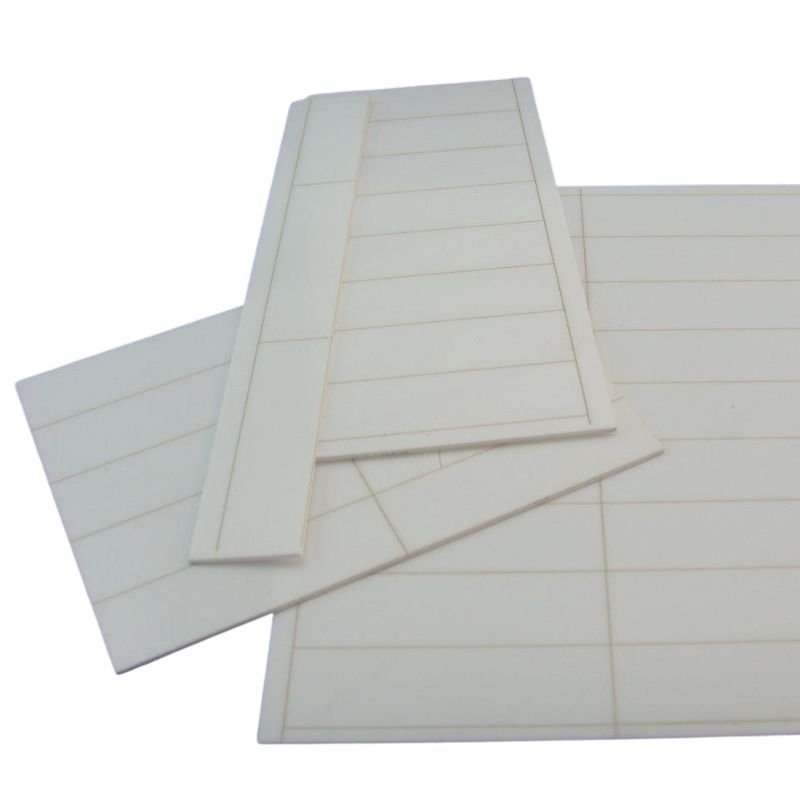
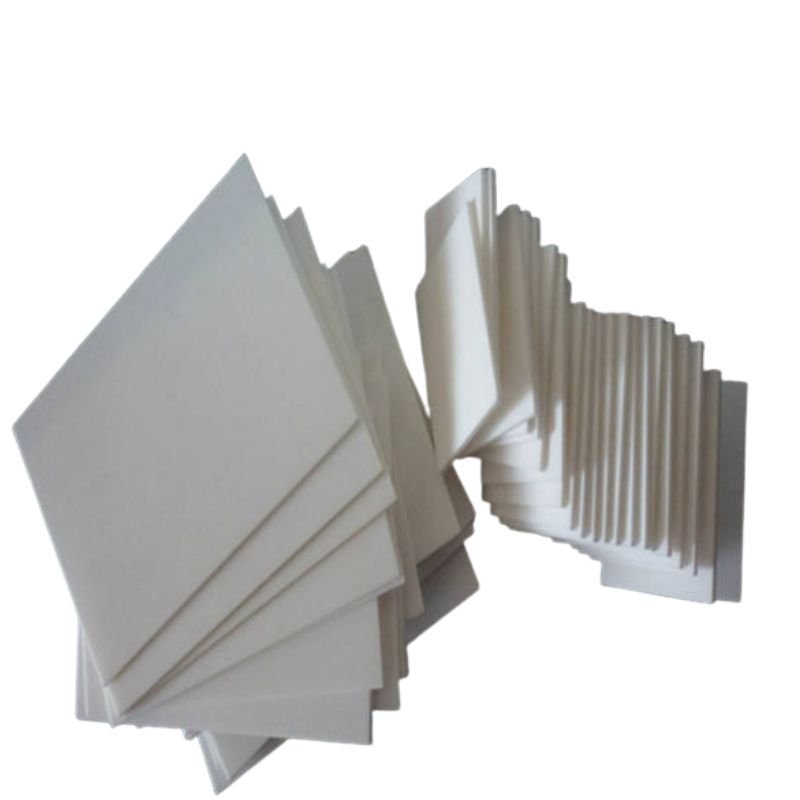
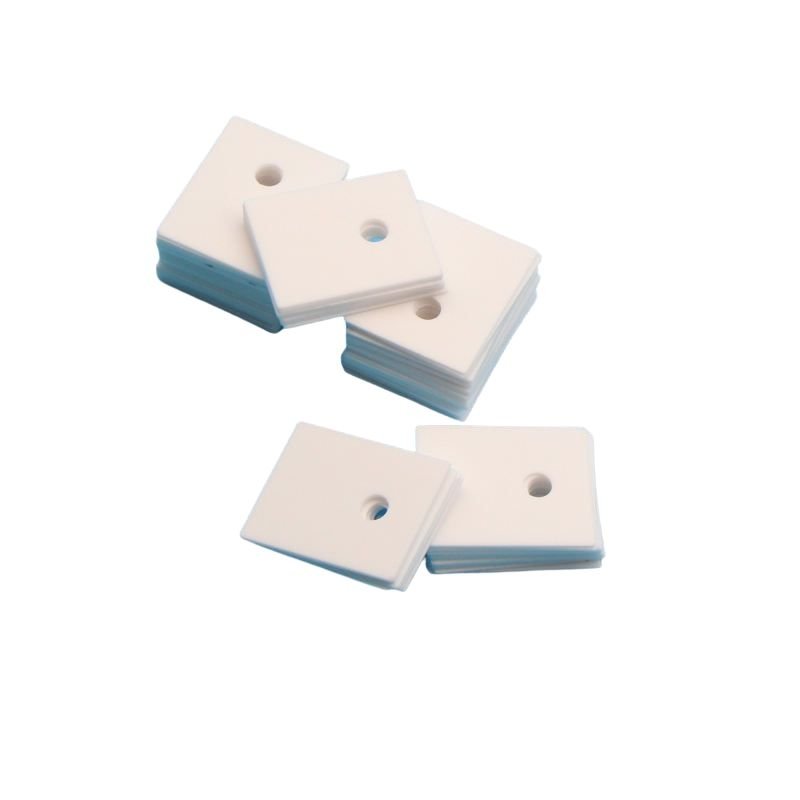
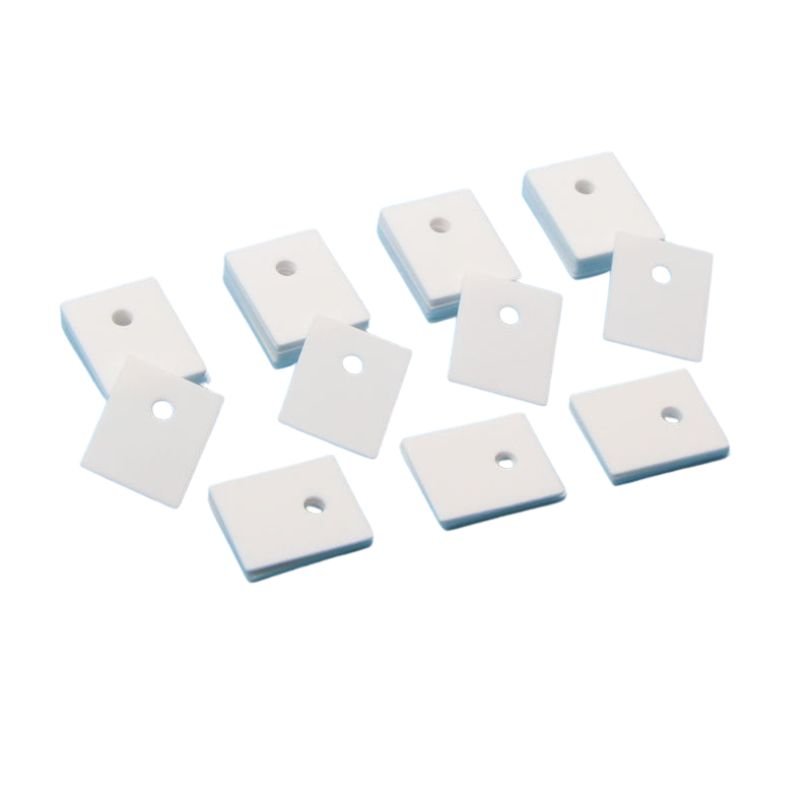
Alumina ceramic substrates, also known as Al2O3 substrates or aluminum oxide insulators, are essential components in electronic manufacturing. These ceramic PCB boards provide a solid base that supports electronic circuits while offering superior thermal and electrical insulation. Alumina’s unique blend of high thermal conductivity and excellent dielectric strength makes it a preferred choice in many high-performance applications.
Composition and Purity Levels 96% vs 99.7 Cost vs Performance Trade-offs
Alumina substrates come mainly in two purity grades: 96% and 99.7%. The difference lies in the aluminum oxide content, which directly impacts material properties:
- 96% Alumina Sheet: More cost-effective, suitable for general applications requiring good thermal and electrical performance.
- 99.7% Alumina Sheet: Offers enhanced thermal conductivity and higher dielectric strength but at a premium price. Ideal for demanding environments needing maximum reliability.
Choosing between these purity levels depends on your project’s budget and performance needs. Gotrays provides both options to match diverse customer requirements.
Why Alumina Excels in Thermal and Electrical Demands Key Stats
Alumina ceramic substrates excel due to their balanced material properties:
- Thermal Conductivity: Around 37 W/m·K, ensuring efficient heat dissipation for power modules and LEDs.
- Dielectric Strength: Greater than 20 kV/mm, providing robust electrical insulation to protect circuits.
This combination supports applications that require superior heat management and reliable electrical isolation, making alumina a top choice for power electronics, optoelectronics, and sensor systems.
Key Features and Technical Specifications of Gotrays Alumina Ceramic Substrates

Gotrays alumina ceramic substrates deliver reliable performance with key features designed to meet today’s demanding applications. Made from high-purity aluminum oxide (Al2O3), our substrates offer excellent thermal and electrical properties that stand out in the market.
Technical Specs at a Glance
| Property | Value |
|---|---|
| Purity Levels | 96% and 99.7% |
| Thickness | From 0.25mm upwards |
| Thermal Conductivity | Up to 37 W/m·K |
| Dielectric Strength | Greater than 20 kV/mm |
| Surface Finish | Smooth, ready for metallization |
| Size Range | Customizable to your needs |
Customization Capabilities
We know every project has unique requirements. That’s why Gotrays offers:
- Laser cutting for precise shapes and tight tolerances
- Metallization options to match your circuit needs
- Thickness customization starting at just 0.25mm, perfect for compact designs
Quality Assurance You Can Trust
Gotrays is committed to delivering consistent quality. We follow ISO 9001 standards with batch traceability, so you can track and verify every substrate. This quality control process ensures that each ceramic PCB board meets strict performance and reliability criteria suited for power electronics and other critical uses.
When you choose Gotrays alumina substrates, you’re getting a trusted material built to perform, backed by transparent quality and tailored exactly to your project.
Top Applications Where Gotrays Alumina Substrates Shine
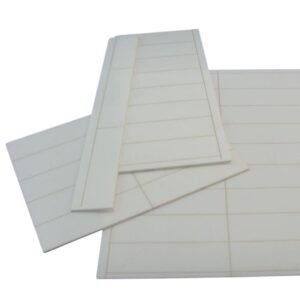
Gotrays alumina ceramic substrates are built for demanding uses across several industries. Here’s where they really make a difference:
-
Power Electronics and Automotive
Gotrays substrates excel in EV battery heat sinks and inverters. Their excellent thermal conductivity helps keep power modules cool, improving performance and reliability in electric vehicles and other power electronics.
-
LED and Optoelectronics
Our high-reflectivity alumina ceramic bases enhance LED packaging by boosting light output and managing heat effectively. This makes Gotrays a top choice for bright, long-lasting LED lighting and optical devices.
-
PCBs and Sensors
For hybrid circuits, sensor boards, and high-voltage insulation, Gotrays alumina ceramic substrates offer strong electrical isolation and durability. This reliability is crucial for complex printed circuit boards and sensitive sensor applications.
Whether you need an aluminum oxide insulator or a metallized alumina plate, Gotrays delivers the quality and consistency required by advanced technologies used in the U.S. market.
Gotrays vs Competitors Why Choose Us for Your Alumina Needs

When it comes to alumina ceramic substrates, Gotrays stands out in the U.S. market for several clear reasons. Our substrates balance cost and performance, making them a smart choice whether you’re working on power electronics, LED packaging, or sensor boards. Unlike many competitors, we offer reliable quality backed by ISO 9001 certification and full batch traceability, so you always know what you’re getting. Plus, our customization options—from metallization to laser cutting—give you a perfect fit for your unique project.
Alumina vs Aluminum Nitride Cost Savings Similar Insulation
Choosing the right ceramic substrate often means weighing alumina against aluminum nitride. While aluminum nitride offers higher thermal conductivity, alumina substrates from Gotrays provide excellent insulation with very similar dielectric strength—often at a fraction of the cost. This makes alumina the go-to for many designs needing reliable thermal management without overspending.
Real-World Performance Data
Our alumina ceramic substrates don’t just perform well on paper—they deliver in the field. Independent tests show Gotrays alumina substrates achieve up to 40% better heat dissipation compared to some competitor products. That means your devices stay cooler, last longer, and run more efficiently. For industries like EV battery packs, power modules, and LED modules, this real-world performance can make a big difference in reliability and cost savings.
With Gotrays, you get quality, value, and proven performance all in one alumina ceramic substrate.
How to Select the Right Gotrays Alumina Ceramic Substrate
Choosing the right Gotrays alumina ceramic substrate is easier when you know what to look for. Here’s a quick buyer’s checklist to help you decide:
-
Purity Level
Decide between 96% and 99.7% alumina based on your performance needs. Higher purity means better thermal conductivity and electrical insulation but comes at a higher cost.
-
Application Type
Consider your end-use. For power electronics or automotive parts, high thermal conductivity and durability are key. For LED bases or sensors, focus on electrical insulation and surface smoothness.
-
Size and Thickness
Match the substrate’s size and thickness to your design specs. Gotrays offers customization options including thickness from 0.25mm and laser cutting for precision fit.
-
Tolerance Requirements
Verify dimensional tolerances especially if your project demands tight fitting parts. Gotrays guarantees consistent tolerances for reliable assembly.
Pricing and Ordering Guide
-
Minimum Order Quantities (MOQ)
We support both small sample orders and large production runs to fit your project scale.
-
Bulk Discounts
Save more when you order in volume—perfect for manufacturers or long-term projects.
-
Quote Requests
Use our quick online quote form to get personalized pricing and lead times. We’re here to make sure you get the best alumina substrate solution on time and within budget.
Let Gotrays help you pick the right ceramic PCB board to power your next project.
Frequently Asked Questions FAQs
What is an alumina ceramic substrate used for?
Alumina ceramic substrates serve as reliable bases for electronic components. They provide excellent insulation and handle high temperatures, making them perfect for power modules, LED bases, and sensor circuits.
What’s the difference between 96% and 99.7% alumina?
96% alumina is cost-effective and great for many standard applications. If you need better thermal conductivity and mechanical strength, 99.7% alumina is the way to go, but it costs more.
Can Gotrays customize alumina substrates?
Yes, Gotrays offers laser cutting, various metallization options, and several thicknesses starting from 0.25mm. We tailor orders to fit your exact specs.
How do alumina ceramic substrates handle heat?
Alumina substrates conduct heat at about 37 W/m·K, which helps keep electronics cool and running reliably. This makes them perfect for power electronics and automotive components.
Are Gotrays alumina substrates certified?
Absolutely. All products meet ISO 9001 standards with full batch traceability to ensure consistent quality for every order.
How do alumina substrates compare with aluminum nitride?
Alumina offers similar electrical insulation but at a lower price point than aluminum nitride. For many U.S. industries, alumina hits the sweet spot between performance and cost.
What’s the minimum order quantity?
Gotrays supports orders from small runs to bulk purchases. Reach out for pricing and MOQ details tailored to your project size.
If you have more questions or want help picking the right alumina ceramic substrate, contact us anytime. We’re here to support your project’s success.
Ready to Power Your Project Get a Gotrays Quote Today
When you’re ready to choose a reliable alumina ceramic substrate, Gotrays is here to help. Whether you need high purity Al2O3 substrates, custom sizes, or specific metallization, we make ordering simple and fast. Our team understands the needs of US customers, offering competitive pricing, low minimum order quantities, and quick turnaround times.
Why Get a Quote from Gotrays?
- Customized alumina ceramic solutions tailored to your project
- Clear pricing with bulk discounts to save you money
- Expert support to guide you through the selection process
- Fast, reliable delivery across the United States
Don’t let your project stall because of the wrong materials. Reach out today for a personalized quote on our high-performance alumina ceramic substrates and start powering your application with confidence.
 English
  Korean
Reviews
There are no reviews yet.