
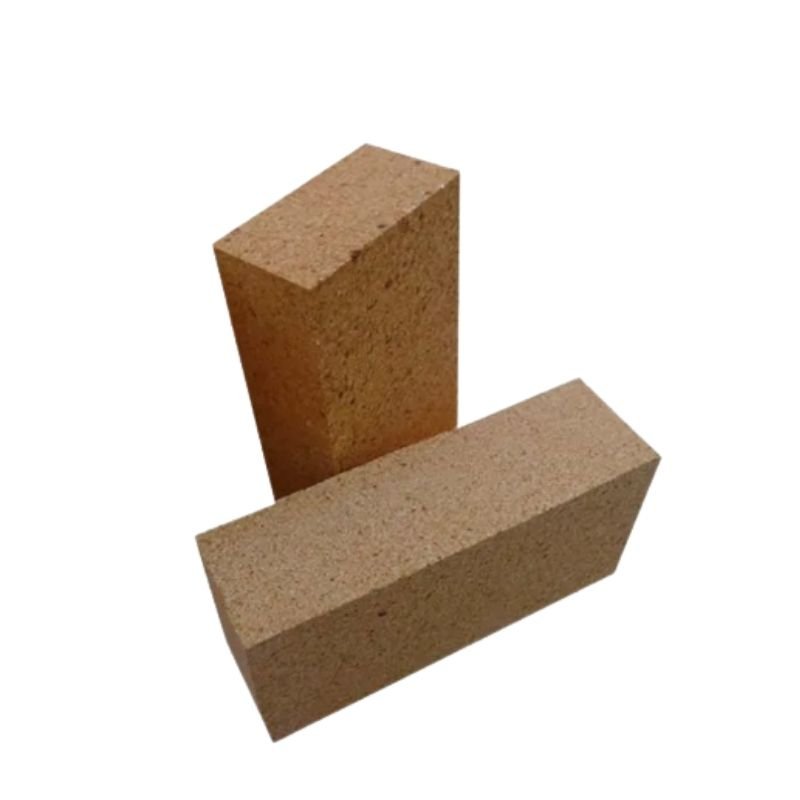
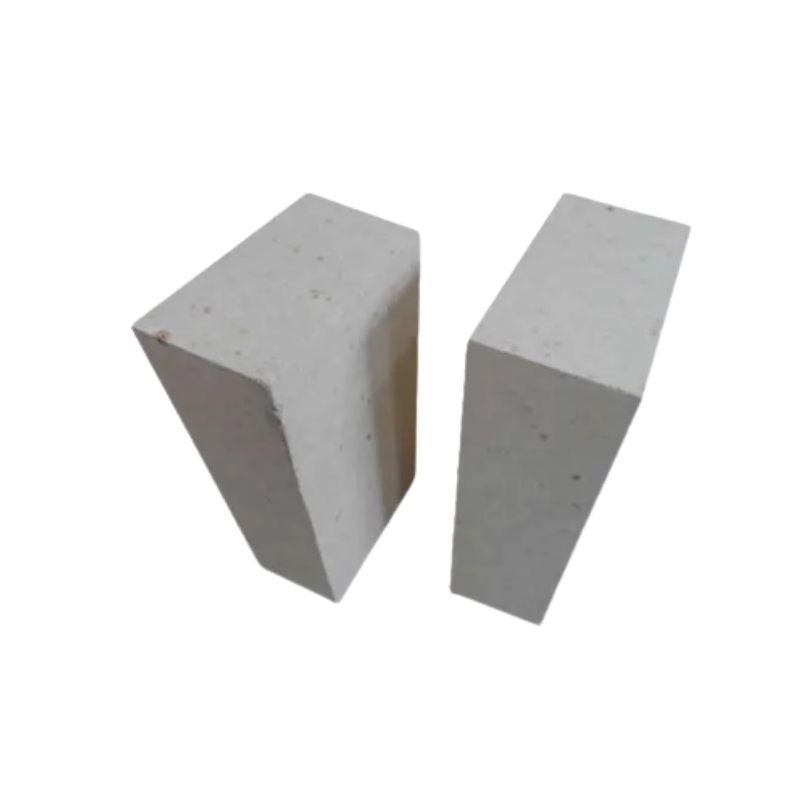
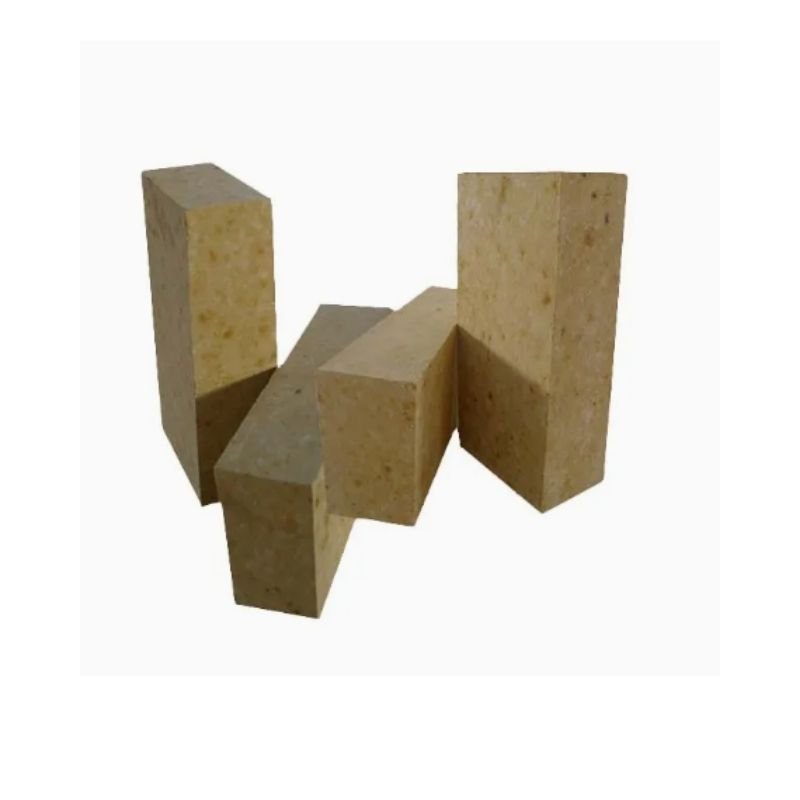
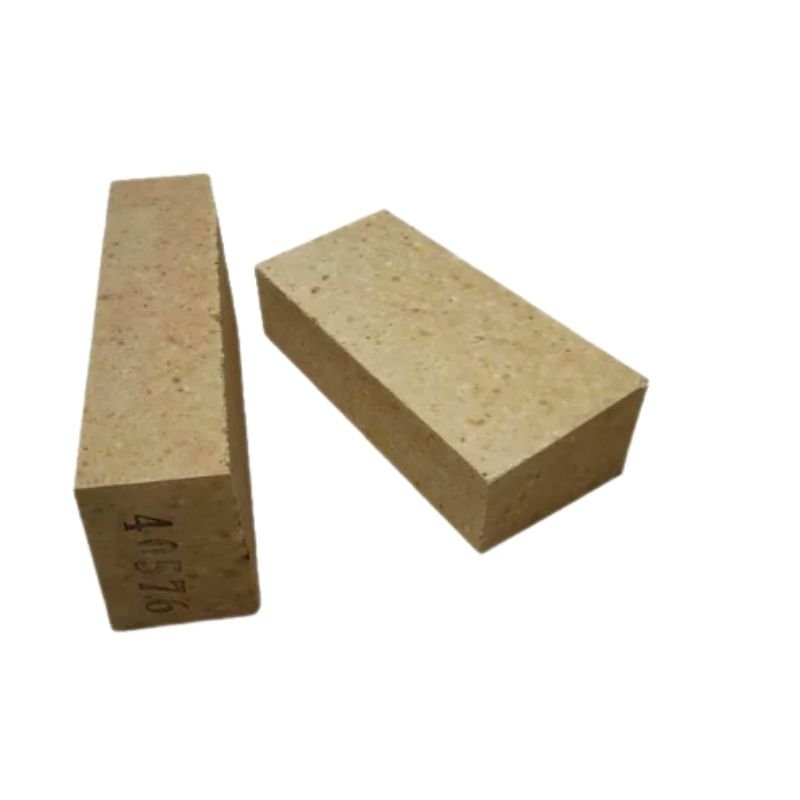
What is Phosphate-Bonded High Alumina Brick
Phosphate-bonded high alumina brick is a type of refractory brick made by mixing high alumina bauxite clinker with a special phosphate binder. Unlike traditional high alumina bricks that are fired at very high temperatures, these bricks use a low-temperature curing process. This involves bonding the bauxite clinker particles with a phosphate-based chemical, which hardens at much lower temperatures without firing.
The composition typically includes:
- High alumina bauxite clinker for strength and wear resistance
- Phosphate binder that sets chemically at low temperatures, providing bonding and corrosion resistance
This low-temperature process makes phosphate-bonded bricks different from standard fired high alumina bricks by improving resistance to thermal shock and spalling. Spalling—where bricks crack and peel under heat stress—is minimized because the lower processing temperature reduces internal stresses. As a result, phosphate-bonded high alumina bricks offer superior durability in harsh industrial environments where temperature fluctuations and alkali corrosion are common.
In short, these bricks combine the strength and wear resistance of bauxite alumina with the chemical bonding power of phosphate binders, giving them excellent mechanical and thermal properties without the energy-intensive firing process.
Key Features and Technical Specifications of Gotrays Phosphate-Bonded High Alumina Bricks
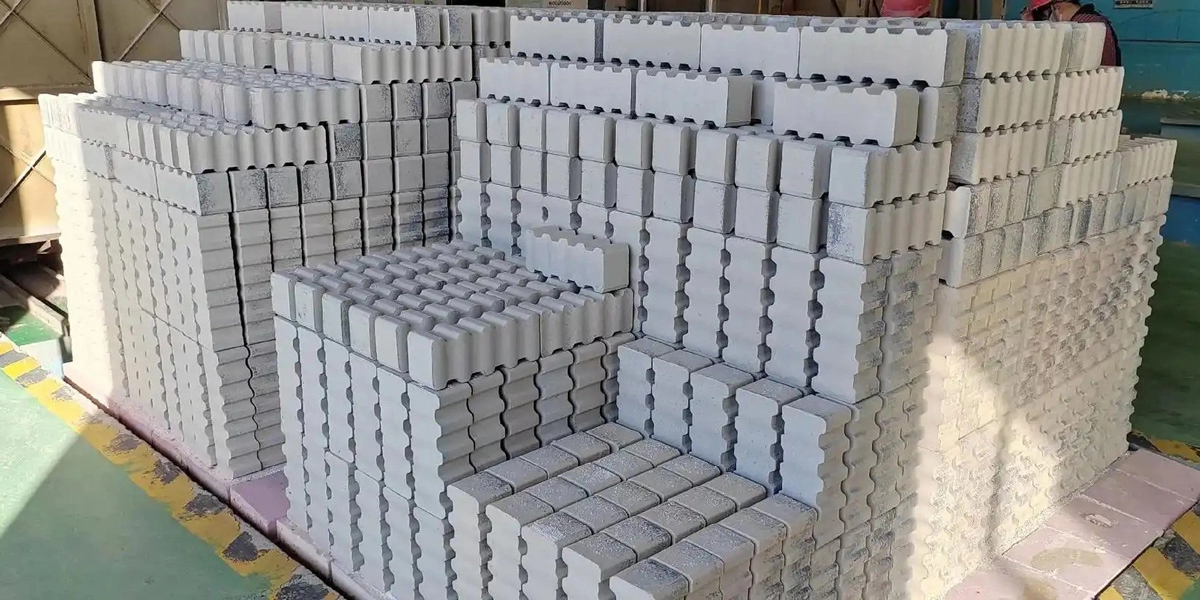
Gotrays phosphate-bonded high alumina bricks stand out for their high hot modulus of rupture (RUL), which means they can handle extreme heat without breaking down. This makes them a solid choice for industries that demand durability under tough thermal conditions.
Here’s what sets Gotrays phosphate bricks apart:
- Superior Wear Resistance: Designed to resist abrasion and mechanical wear, these bricks last longer in high-stress environments like rotary kilns and transition zones.
- Excellent Thermal Shock Stability: Thanks to the phosphate binder and low-temperature firing process, these bricks resist cracking caused by rapid temperature changes.
- Strong Compression Strength: Gotrays bricks maintain structural integrity under heavy loads, keeping your kiln linings reliable.
- High Alumina Content: With Al₂O₃ levels typically ranging between 65% to 80%, these bricks offer outstanding chemical and thermal resistance.
- Low Alkali Erosion: The phosphate bonding improves resistance against alkali attack, a common issue in cement and lime kiln environments.
Technical Specifications Snapshot
| Property | Typical Range |
|---|---|
| Alumina (Al₂O₃) Content | 65% – 80% |
| Cold Crushing Strength (CCS) | 45 – 65 MPa |
| Hot Modulus of Rupture (RUL) at 1400°F (760°C) | > 15 MPa |
| Bulk Density | ~2.8 – 3.0 g/cm³ |
| Thermal Shock Resistance | High |
| Water Absorption | < 3% |
These specs highlight why Gotrays phosphate-bonded high alumina bricks are trusted for demanding applications. The combination of alkali resistance, thermal shock durability, and mechanical strength makes them a go-to option for industries across the U.S. looking to extend kiln life and reduce maintenance costs.
Manufacturing Process From Bauxite to Premium Refractory Brick
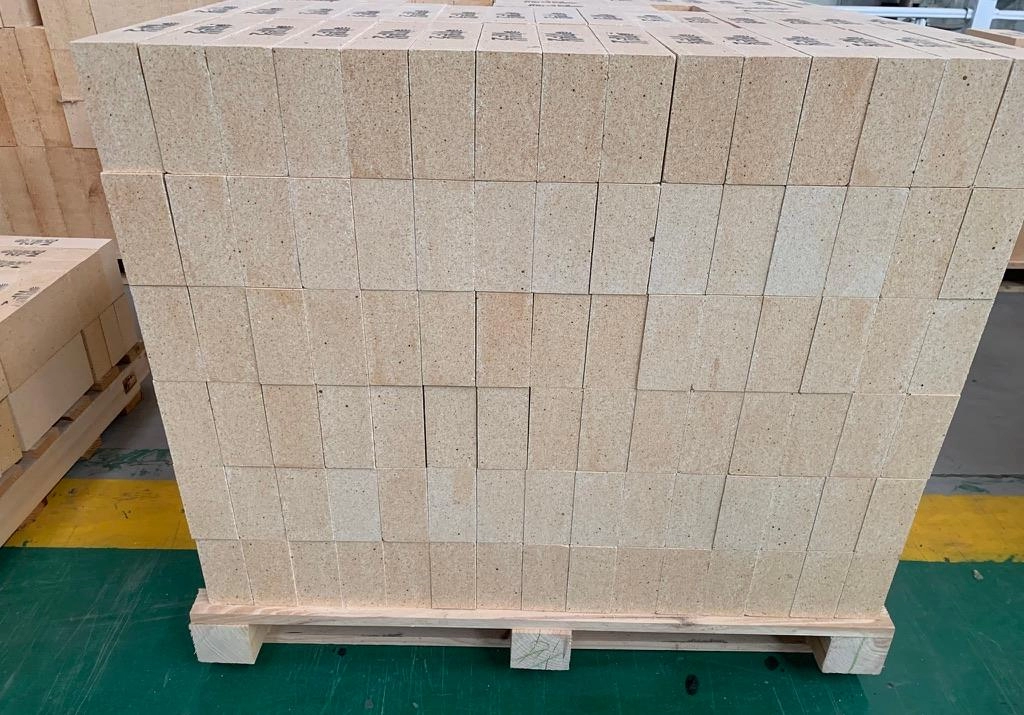
At Gotrays, we take pride in turning high-quality bauxite into phosphate-bonded high alumina bricks built for tough industrial use. Here’s how we do it:
-
Raw Material Selection
We start by sourcing premium bauxite clinker with the right Al₂O₃ content, ensuring a strong foundation for the brick’s durability.
-
Mixing with Phosphate Binder
This bauxite is combined with a specially formulated phosphate binder. Unlike traditional fired bricks, our low-temperature bonding process creates a robust, unfired phosphate bonded alumina brick with excellent thermal shock resistance and less spalling.
-
Additive Enhancements
Gotrays uses innovative additives that boost corrosion and alkali erosion resistance—perfect for harsh environments like cement rotary kilns and lime kilns.
-
Molding and Pressing
The mixture is pressed into molds, shaping the bricks with precise dimensions. We offer custom sizing options tailored to fit specific regional kiln designs across the U.S., making installation seamless.
-
Curing Process
Instead of firing, the bricks cure at controlled low temperatures. This method preserves strength and adds wear resistance without the extra energy costs of traditional firing. It also results in less cracking and longer service life.
-
Quality Inspection
Each batch undergoes strict testing for cold crushing strength (CCS), RUL (refractoriness under load), and thermal shock stability. We meet or exceed industry standards to ensure reliable performance.
Our approach combines tried-and-true materials with cutting-edge innovation. This gives Gotrays phosphate high alumina refractory bricks an edge in corrosion resistance and heat durability, vital for U.S. industrial customers looking for dependable, long-lasting kiln linings.
Applications in Industrial Settings
Phosphate-bonded high alumina bricks are a solid choice for tough industrial environments that demand durability and heat resistance. In the U.S., they’re widely used in cement kilns, especially in the transition zone where temperatures and chemical exposure are intense. These bricks handle thermal shock and wear better than many other refractory options, helping to extend kiln life and reduce downtime.
They’re also a great fit for lime kilns and industrial incinerators, where resistance to alkali erosion and high heat is critical. Thanks to the phosphate binder and bauxite-based composition, these bricks maintain their strength even under harsh chemical attack and repeated temperature cycling.
Case Studies Show Longer Service Life
- A Midwest cement plant reported a 30% increase in service life after switching to phosphate-bonded high alumina bricks in the transition zone.
- Lime kiln operators in Texas observed reduced maintenance costs and fewer unscheduled shutdowns after retrofitting with these bricks.
- Incineration facilities across California noted better thermal shock stability compared to traditional fired alumina bricks.
Application Diagram for Rotary Kilns
Below is a simple guide for where phosphate-bonded high alumina bricks are best installed in rotary kilns:
| Kiln Zone | Recommended Brick Type |
|---|---|
| Burner Zone | High alumina refractory bricks |
| Transition Zone | Phosphate-bonded high alumina bricks |
| Tail End Zone | Standard alumina bricks |
Using phosphate-bonded bricks specifically in the transition zone zones of rotary kilns helps tackle the combined battle of heat, abrasion, and alkali corrosion—ensuring your kiln runs smoother and longer.
Why Gotrays Advantages Over Competitors
When it comes to phosphate-bonded high alumina bricks, Gotrays stands out for a few clear reasons that matter to U.S. industrial users.
Superior Alkali Resistance
Our bricks are specially designed to resist alkali erosion better than many alternatives. This means longer-lasting performance in harsh environments like cement rotary kilns and lime kilns. Here’s a quick look at how we compare:
| Feature | Gotrays Phosphate Bricks | Competitor A | Competitor B |
|---|---|---|---|
| Alkali Resistance | High | Medium | Low |
| Thermal Shock Stability | Excellent | Good | Fair |
| Cold Crushing Strength (CCS) (MPa) | 85+ | 70 | 60 |
| Wear Resistance | Superior | Average | Below Average |
Trusted by Industry Professionals
We back our products with reliable certifications and have plenty of testimonials from U.S. customers in cement, lime, and waste incineration sectors. These endorsements highlight our bricks’ durability, easy installation, and excellent service life.
Serving Key U.S. Regions with Fast Delivery
Gotrays understands the urgency of keeping your operations running. We deliver quickly across major industrial hubs in the United States, including the Midwest, Southwest, and Southeast. Plus, local sales reps are always ready to support your projects with expert advice and custom solutions.
For any phosphate high alumina refractory brick needs or questions, reaching out to a Gotrays rep nearby is your fastest way to get help tailored to your kiln type and regional conditions.
Installation Maintenance and Best Practices for Phosphate-Bonded High Alumina Brick
Proper installation and maintenance are key to getting the most out of phosphate-bonded high alumina bricks. These bricks are designed for durability, but following best practices will help avoid common problems like cracking and premature wear.
Step-by-Step Installation Guide
- Surface Prep: Clean the kiln or furnace lining area thoroughly, removing dust, grease, or loose material.
- Dry Fitting: Arrange bricks without mortar to confirm fit and layout.
- Applying the Phosphate Binder: Use a compatible phosphate binder mortar to set the bricks in place for a strong bond.
- Alignment Check: Make sure bricks are tightly packed and aligned to minimize gaps.
- Curing Time: Allow adequate curing time (typically 24–48 hours at room temperature) before heating to ensure the binder sets properly.
- Gradual Heat-Up: Slowly raise the temperature after installation to avoid thermal shock that can cause cracking.
Troubleshooting Common Issues
- Cracking Prevention
- Avoid rapid heat changes during startup and shutdown.
- Ensure proper expansion joints are installed and maintained.
- Use Gotrays phosphate bricks with enhanced thermal shock resistance to reduce stress.
- Wear and Spalling
- Regularly inspect high-wear areas, especially in kiln transition zones.
- Replace damaged bricks promptly to prevent further damage.
- Binder Degradation
- Avoid exposure to moisture before the bricks are fully cured.
- Use recommended kiln atmospheres to maintain binder integrity.
Installation Demo Video
To make the process easier, we provide a clear demo video showing everything from prep to final checks. This visual guide helps installers follow along and avoid common pitfalls, ensuring your phosphate high alumina bricks perform as expected.
Following these simple steps and maintenance tips will help your phosphate-bonded high alumina bricks deliver the long-lasting, reliable performance your industrial operations demand.
Pricing Availability and How to Buy
When it comes to pricing phosphate-bonded high alumina bricks, several factors come into play:
- Volume: Larger orders usually get better pricing.
- Specifications: Higher alumina content or custom sizes can affect cost.
- Kiln type and operating conditions: Bricks designed for specific kilns or extreme environments may cost more.
At Gotrays, we offer competitive pricing tailored to your needs. Just fill out our quick quote form with details like kiln type, location, and brick specifications to get a custom price. Our team will respond promptly with the best options for your operation.
Related Searches to Keep in Mind
- Phosphate wear-resistant bricks
- High alumina brick alternatives
- Low-temperature sintered phosphate bricks
- Alkali erosion resistant refractory bricks
We’re committed to making your purchase simple and fast, with reliable availability for customers across the United States. Reach out to your local Gotrays rep for guidance and quick delivery options.
Frequently Asked Questions about Phosphate-Bonded High Alumina Brick
Q1: Are phosphate-bonded high alumina bricks suitable for electric furnaces?
Yes, these bricks work well in electric furnaces thanks to their excellent thermal shock resistance and strong alkali erosion protection. Their low-temp sintering process helps prevent spalling, making them reliable under rapid temperature changes common in electric furnace operations.
Q2: What makes phosphate-bonded bricks different from traditional high alumina fired bricks?
Unlike fired bricks, phosphate-bonded high alumina bricks use a phosphate binder with bauxite clinker, cured at lower temperatures. This process reduces cracking and improves wear resistance, especially useful in demanding industrial environments like cement kilns and electric furnaces.
Q3: Can phosphate-bonded high alumina brick handle high temperatures?
Absolutely. These bricks typically handle temperatures up to 3000°F (1650°C), making them ideal for many high-heat industrial applications.
Q4: How do I choose the right brick for my kiln or furnace?
Consider factors like temperature range, alkali exposure, and mechanical wear. Our phosphate high alumina refractory bricks offer superior alkali resistance and thermal shock stability, perfect for cement rotary kilns, lime kilns, and electric furnaces.
Q5: Is custom sizing available for phosphate-bonded bricks?
Yes, we offer custom sizing to fit various regional kiln and furnace designs, ensuring a perfect fit and better installation results.
For more detailed answers or personalized advice, contact your local Gotrays rep. Our team can help you pick the best phosphate high alumina brick fit for your industrial needs.
Related Resources and Downloads
To help you get the most out of phosphate-bonded high alumina bricks, we’ve put together a range of useful resources tailored for the U.S. market:
-
Datasheets
Detailed specs for Gotrays phosphate high alumina refractory bricks, including chemical makeup, physical properties, and performance data.
-
Whitepapers
In-depth reports on refractory trends in the cement industry, focusing on durability, thermal shock resistance, and alkali erosion in rotary kiln linings.
-
Industry Blogs
Explore our top picks featuring the best refractory bricks for 2025 kiln linings, highlighting innovations in phosphate binder high alumina clinker bricks and their growing use in American cement plants.
These resources are designed to keep you informed on the latest advancements and help you make better decisions for your kiln maintenance and upgrades.


 English
  Korean
  Arabic
Reviews
There are no reviews yet.