
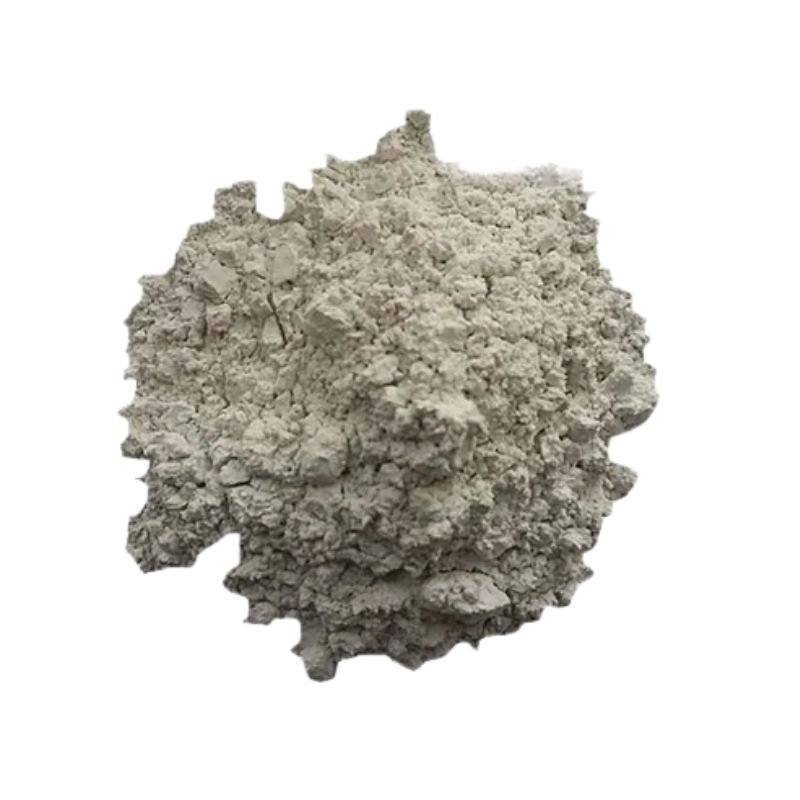
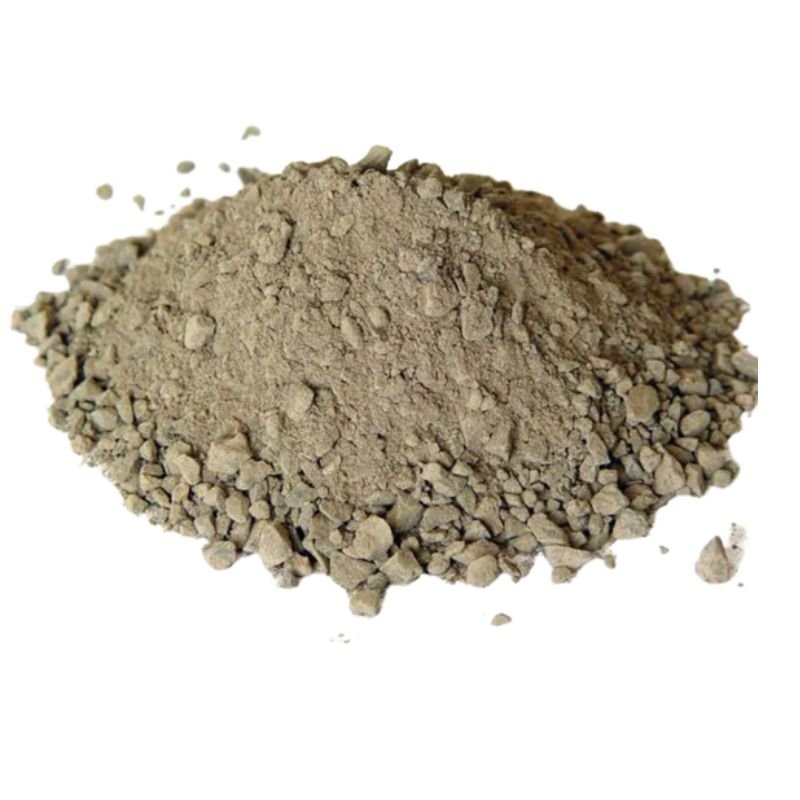
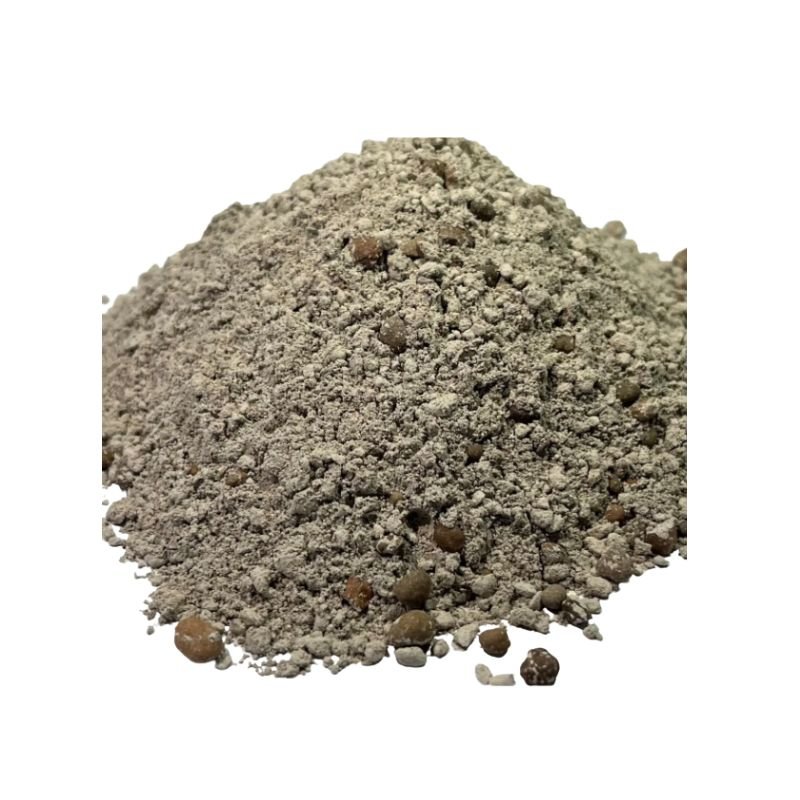
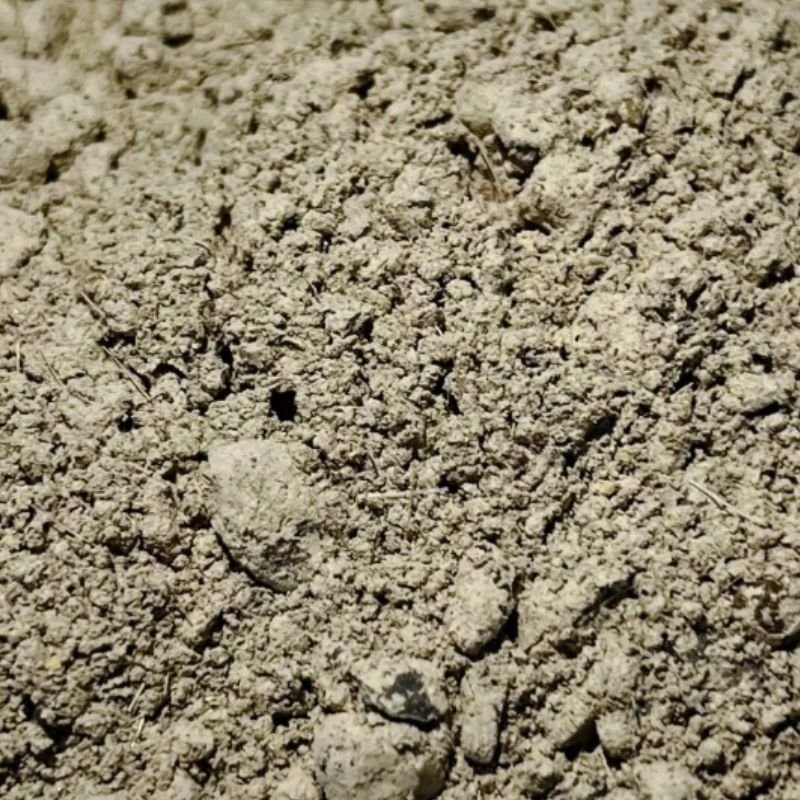
High-Alumina Low-Cement Castable Product Spotlight
Looking for a reliable refractory solution that stands up to extreme heat and tough conditions? Our High-Alumina Low-Cement Castable combines superior thermal shock resistance with strong slag resistance — ideal for steel ladles, aluminum furnaces, and rotary kilns.
Built for high performance:
- Alumina content above 85%
- Low cement content for enhanced durability
- Withstands temperatures over 3200°F
- Excellent abrasion and mechanical strength
Discover how this alumina-based castable can extend lining life and reduce maintenance costs for your high temperature furnace lining needs.
Get your free datasheet or request a custom quote today to see why our low cement refractory castable is the smart choice for your operation.
Product Overview
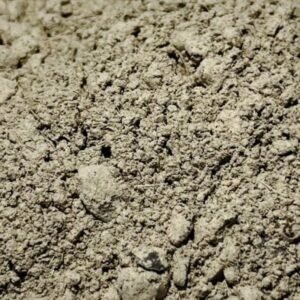
Our High-Alumina Low-Cement Castable is built with a strong mix of bauxite aggregate and alumina-based refractory cement. This combo ensures excellent durability and performance for high temperature furnace lining and other demanding environments. Compared to standard castables, it has less cement, which means higher resistance to thermal shock and slag attack.
We designed this castable to keep its quality consistent, batch after batch, thanks to our trusted brand formulation process. This means you get a reliable product that stands up to harsh conditions without extra maintenance or replacements. Whether you’re working with steel ladles, aluminum furnaces, or rotary kilns, it delivers tough, long-lasting protection.
Key Features and Benefits
Our High-Alumina Low-Cement Castable stands out with these key features:
- Thermal Shock Resistance: Withstands rapid temperature changes without cracking or losing strength
- Slag Resistance: Highly durable against chemical attacks from molten slag, extending lining life
- Mechanical Strength: Excellent cold crushing strength ensures long-lasting structural integrity
- Low Cement Content: Reduces hydration cracks and improves thermal stability compared to traditional castables
Benefits Comparison Table
| Feature | High-Alumina Low-Cement Castable | Standard Castables |
|---|---|---|
| Thermal Shock Resistance | Excellent | Moderate |
| Slag Resistance | High | Low to Moderate |
| Mechanical Strength | Superior | Average |
| Cement Content | Low | High |
| Service Life | Longer | Shorter |
| Abrasion Resistance | Improved | Standard |
This makes our product the smart choice for industries needing reliable, long-lasting, and efficient refractory linings.
Technical Specifications
Here’s a clear look at the key chemical and physical properties of our High-Alumina Low-Cement Castable, designed to meet the demands of tough, high-temperature environments in the U.S. market.
| Property | Typical Value | Unit |
|---|---|---|
| Alumina (Al2O3) | 70 – 80 | % |
| Silica (SiO2) | 12 – 18 | % |
| Calcium Oxide (CaO) | 2 – 5 | % |
| Bulk Density | 145 – 160 | pcf (pounds/ft³) |
| Cold Crushing Strength | 4500 – 6000 | psi |
| Porosity | 12 – 16 | % |
| Max Service Temperature | Up to 3200 | °F |
Installation Notes
- Mixing: Use clean water with a ratio of about 6-7% by weight. Mix thoroughly for 3-5 minutes to get a consistent, lump-free slurry.
- Casting: Pour quickly to avoid any setting delays, especially in hot or dry environments.
- Curing: Keep the castable moist for at least 48 hours after installation. Cover with plastic or damp cloth to prevent cracks.
- Drying: Start a slow heat-up after 24 hours with low temperatures, gradually increasing to avoid thermal shock.
- Safety: Use gloves, dust masks, and eye protection when handling the dry mix and during installation.
This technical profile keeps your refractory lining durable and efficient, ensuring your high-alumina refractory cement performs under steel ladle, aluminum furnace, or petrochemical process conditions.
Applications of High-Alumina Low-Cement Castable
Our high-alumina low-cement castable is built to perform across tough industrial settings. Here’s where it shines:
- Steel Ladles: With excellent thermal shock resistance and slag durability, it protects ladles from heat and corrosion, extending service life and cutting downtime.
- Aluminum Furnaces: Its high purity alumina and low-cement formulation resist chemical attack and abrasion, making it ideal for aluminum melt linings.
- Rotary Kilns: Designed to handle rapid temperature changes and mechanical stress, it keeps kiln linings stable and safe during operation cycles.
- Petrochemical Reactors: The castable resists harsh chemical environments and extreme temperatures, ensuring reliable lining performance in reactors.
Visual Support
- Infographics detail temperature tolerances, service life, and maintenance intervals for each industry.
- Case studies highlight real-world success stories reducing repairs and boosting uptime in U.S. facilities.
This product’s versatility and durability make it a go-to for heavy-duty refractory needs across these demanding industries.
Installation and Handling Guide
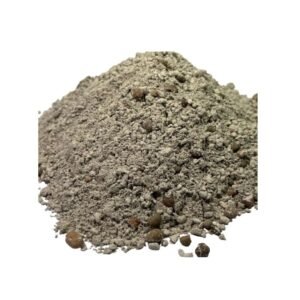
Getting your High-Alumina Low-Cement Castable installed right is crucial for the best results. Follow these simple steps to prepare, mix, cast, and cure your refractory lining.
Preparation and Mixing
- Use clean, potable water for mixing — avoid excess water to keep strength high.
- Slowly add the castable powder to water while mixing to prevent lumps.
- Mix for 3 to 5 minutes until you get a smooth, consistent mix.
- Avoid adding extra water on-site to improve flow—it can weaken the castable.
Casting and Curing
- Pour or spray the mix evenly into your mold or lining area.
- Use vibration tools to remove trapped air and ensure proper compaction.
- Cure the castable by keeping it moist for at least 24 to 48 hours after casting.
- Gradually heat the installation during the initial firing to prevent cracking from thermal shock.
Safety and Handling
- Wear protective gloves, goggles, and a dust mask during mixing and casting.
- Store bags in a dry, cool place, off the ground to avoid moisture damage.
- Handle bags carefully to prevent punctures or tears that could lead to material loss.
Following these guidelines will maximize your castable’s lifespan and performance in high-temperature environments like ladles, furnaces, and kilns.
Packaging Shipping and Pricing
Our High-Alumina Low-Cement Castable comes in convenient packaging options to fit your project size and schedule. Choose from:
- 50 lb bags for easy handling and small jobs
- Bulk pallets for larger industrial needs, reducing shipping costs
We offer flexible lead times designed to meet your project deadlines, with fast shipping available across the United States.
Pricing is tiered to give you the best value based on order volume. For custom quotes, specific delivery schedules, or bulk orders, just reach out to our sales team. We’re here to help you get the right product at the right price without hassle.
Related Products and Accessories
To get the most out of your high-alumina low-cement castable, we offer a full lineup of related products designed to work seamlessly together:
- High Alumina Bricks — Perfect for tough lining jobs needing extra abrasion and heat resistance.
- Mortars — Custom-formulated to bond castables and bricks flawlessly, ensuring strong, long-lasting installations.
- Additives — Enhance properties like flow, setting time, or slag resistance tailored to your specific needs.
Comparison with Other Castables
| Product Type | Alumina Content | Cement Content | Key Benefits | Typical Use |
|---|---|---|---|---|
| High-Alumina Low-Cement Castable | 70%+ | Low (<3%) | High thermal shock resistance, slag resistant, durable | Steel ladles, aluminum furnaces |
| Ultra Low Cement Castable | 75%+ | Ultra low (<1%) | Superior abrasion resistance, longer life | High wear areas, petrochemical |
| Phosphate Bonded Castable | 60-65% | Low | Quick setting, excellent mechanical strength | Emergency repairs, fast turnaround |
Using the right combination of these products can boost performance and service life while cutting downtime. Just let us know which setup fits your needs for a custom recommendation.
Customer Testimonials and Case Studies

Our High-Alumina Low-Cement Castable has helped customers across the U.S. cut downtime and boost operational efficiency. Here’s what some of them have to say:
- Steel plant in Ohio: “Since switching to this low cement refractory castable, we’ve seen a 30% drop in maintenance stops thanks to its superior thermal shock resistance.”
- Aluminum furnace operator in Texas: “The slag resistant castable significantly extended our lining life, saving us thousands in repair costs.”
- Petrochemical plant in Louisiana: “Installation was straightforward, and the mechanical strength outperformed our previous materials.”
Case study highlights
- Steel ladles: One facility reported 25% longer lining life with the bauxite aggregate castable, cutting replacement frequency and reducing production losses.
- Rotary kilns: Another customer achieved faster furnace restarts by using our abrasion resistant kiln castable, improving throughput and efficiency.
These success stories show how our alumina-based castable refractory delivers reliable, long-lasting performance in demanding U.S. industries. Reach out to learn how it can work for your application.
FAQ Section
What is the difference between high-alumina low-cement castable and high cement castables?
High-alumina low-cement castables use less hydraulic bonding material, which means lower cement content. This makes them more resistant to slag, thermal shock, and abrasion compared to high cement castables. They also offer better mechanical strength and last longer in high-temperature furnace linings.
How long is the shelf life of this castable?
When stored in a dry, cool place and kept sealed, the shelf life is typically 6 to 12 months. Always check the packaging date and avoid exposure to moisture before use.
Can you provide custom formulas?
Yes, we offer custom formulations based on specific temperature ranges, application needs, or special performance requirements. Contact us with your project details to get a quote for a tailored solution.
Is this castable suitable for emergency repairs?
Our high-alumina low-cement castable can be used for both new installations and repairs, including emergency fixes, thanks to its fast setting options and excellent durability.
What industries benefit most from this product?
It’s widely used in steel ladles, aluminum furnaces, rotary kilns, and petrochemical reactors—anywhere a tough, slag-resistant lining is needed.
For more questions or specific details, reach out via our contact page or request a datasheet.
Contact and Support
Have questions or need a custom quote for our High-Alumina Low-Cement Castable? We’re here to help. Reach out through our easy online inquiry form, call us directly, or send an email—whichever works best for you.
Need quick answers? Our live chat is available during business hours for real-time support.
You can trust our products are backed by industry certifications and quality standards, ensuring you get reliable, high-performance alumina-based castables for your projects.
Don’t hesitate to contact us—let’s get your project moving with the right thermal shock resistant refractory solution.



 English
  Korean
  Arabic
Reviews
There are no reviews yet.