
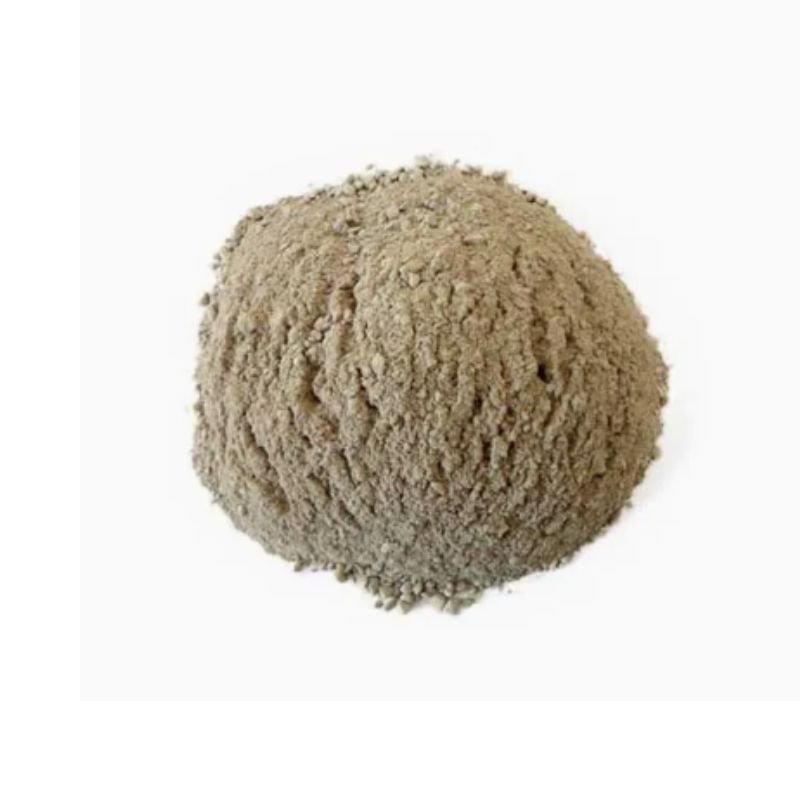

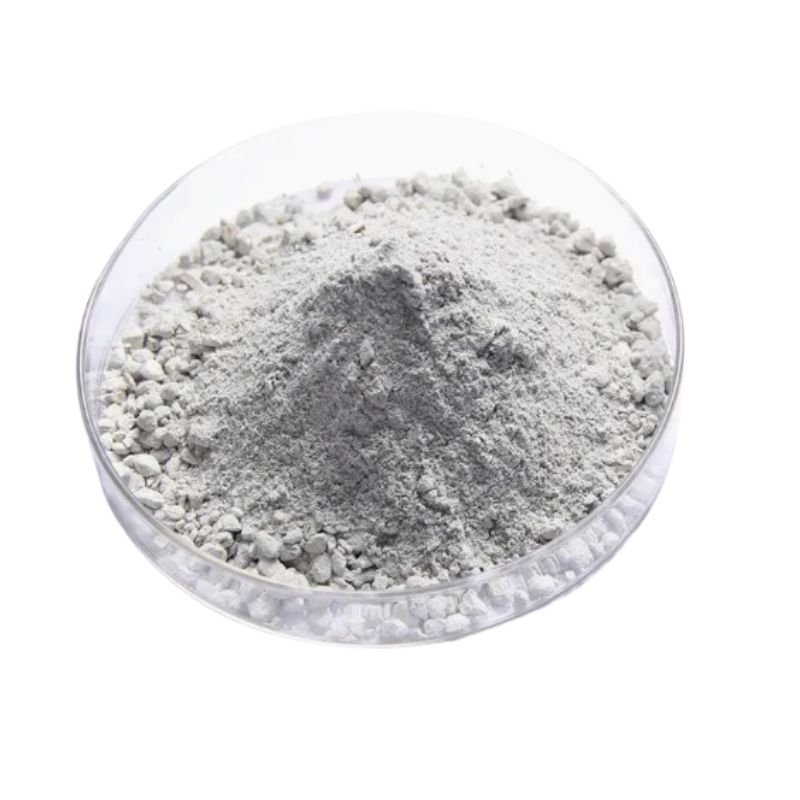
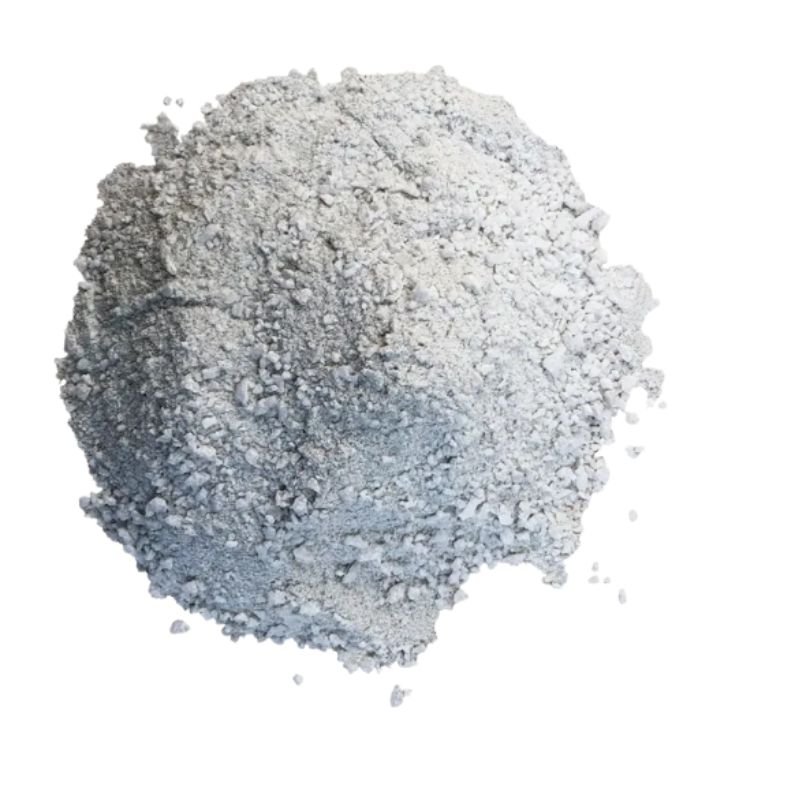
Calcium Aluminate Cement Castable Product Overview
Calcium aluminate cement castable is a high-performance refractory material designed for demanding high-temperature applications. Built on a foundation of calcium aluminate cement, this castable features excellent thermal stability and mechanical strength, making it a trusted choice for industries that require durable furnace linings.
Key Benefits
-
Rapid Strength Development
Achieves high early strength, enabling faster turnaround times in maintenance and installation.
-
Low Porosity
Reduces penetration of slags and corrosive gases, extending the lifespan of refractory linings.
-
Thermal Shock Resistance
Withstands sudden temperature changes without cracking, ensuring reliability in fluctuating thermal environments.
-
Acid and Sulfate Resistant
Offers superior durability in chemically aggressive atmospheres, protecting equipment in petrochemical and steel applications.
Applications
-
Steel Ladle Linings
Ideal for maintaining the integrity of steelmaking vessels exposed to extreme temperatures and wear.
-
Cement Kiln Hoods
Provides long-lasting protection against high heat and chemical attack in cement production.
-
Glass Regenerators
Enhances energy efficiency and durability in glass furnace components.
-
Petrochemical Crackers
Supports high-temperature processing units where chemical resistance is essential.
Our calcium aluminate cement castable integrates seamlessly into your existing refractory systems, delivering consistent performance and lowering total operational costs. Whether you’re upgrading a steel ladle or building a new furnace lining, this castable balances strength, resistance, and workability for optimal results.
Technical Specifications of Calcium Aluminate Cement Castable
Calcium aluminate cement castable is made with a mix of high alumina refractory castable materials, including bauxite-based aluminate cement as the main binder. Its chemical composition typically includes:
- Aluminum oxide (Al2O3): 60-85%
- Calcium oxide (CaO): 30-35%
- Silica (SiO2): 2-5%
- Minor amounts of iron oxide, magnesium oxide, and other additives
This blend gives the castable strong chemical and physical properties suited for tough environments.
Physical Properties
- Density: 2.4 to 2.8 g/cm³ after curing
- Porosity: Low porosity, which helps resist slag penetration and chemical attack
- Thermal conductivity: Moderate, helping with heat retention in furnace linings
- Cold crushing strength: Typically 40 to 70 MPa after 24 hours of curing
Service Temperature
The castable can handle continuous temperatures up to 2800°F (about 1500°C), making it perfect for high-temperature furnace lining needs like steel ladles and cement kiln hoods. It also offers excellent thermal shock resistance, important in fluctuating heat environments.
Variants and Packaging
We offer several variants to meet different needs, including:
- Standard CAC bonded castable: Balanced performance for most applications
- Low cement castable: For better refractory strength and less shrinkage
- Ultra low cement castable: Max thermal stability and durability
- Spinel forming castable: Enhanced slag resistance and structural integrity
Packaging options are designed for easy handling and storage:
- Bulk bags (1,000 lbs or more) for large industrial orders
- Smaller bags (55 lbs) for easy transport and inventory management
Each batch is quality-checked to meet consistent standards and support your project requirements.
Composition and Manufacturing
Calcium aluminate cement castable mainly consists of binders, aggregates, and additives carefully blended to meet high-performance needs. The primary binder is calcium aluminate cement (CAC), often made from bauxite and limestone, which gives the castable strong bonding properties.
Aggregates include high alumina refractory grains that provide structure and resistance to high temperatures. These are usually crushed bauxite or other dense minerals that handle thermal stress well. Additives like plasticizers, set retarders, and anti-shrink agents help improve workability and durability.
Process Overview
The manufacturing process starts with mixing these raw materials in precise ratios to ensure uniformity. After blending, the mix undergoes pressing or casting into shapes before curing. When water is added, hydration reactions begin.
Hydration Mechanics
Hydration is key—it’s when calcium aluminate reacts with water to harden the castable. This creates a dense, durable microstructure that resists heat and chemicals. Proper hydration is critical for achieving the high early strength and low porosity that make calcium aluminate cement castable so effective for high temperature furnace lining, steel ladles, and other heavy-duty uses common here in the U.S.
Key Features and Benefits of Calcium Aluminate Cement Castable
Calcium aluminate cement castable stands out for its high early strength, meaning it reaches strong performance quickly after installation. This helps speed up project timelines and reduces downtime.
Its low porosity also means the material resists water and chemical penetration, making it durable in harsh environments. This is especially useful for acid sulfate resistance, protecting your lining against corrosion and extending its lifespan.
Thermal shock stability is another top benefit. The castable handles rapid temperature changes without cracking, which is critical in industries like steelmaking and petrochemical processing where high temperature swings happen regularly.
Application advantages include:
- Faster turnaround thanks to quick strength gain
- Long-lasting protection with strong chemical resistance
- Reliable performance in tough thermal conditions
- Reduced maintenance and repair needs
These features make calcium aluminate cement castable a smart choice for heavy-duty high temperature furnace lining, steel ladle repairs, and other demanding uses where strength and durability really matter.
Applications of Calcium Aluminate Cement Castable
Calcium Aluminate Cement (CAC) castables are a top choice for tough, high-temperature environments across several US industries. Here’s where they really shine:
- Steel Ladle Linings: CAC bonded castables provide excellent resistance to thermal shock and erosion, making them ideal for lining steel ladles that handle molten metal. Their durability helps extend service life and reduce downtime.
- Cement Kiln Hoods: In cement plants, kiln hoods endure extreme heat and chemical exposure. High alumina refractory castables offer the strength and acid sulfate resistance required to keep these components running smoothly.
- Glass Regenerators: CAC castables are perfect for glass furnace regenerators where temperature cycling is frequent. Their low porosity and thermal stability help maintain insulation and structural integrity.
- Petrochemical Crackers: The aggressive chemical and thermal environment in petrochemical crackers demands a castable that withstands high heat and corrosion. CAC bonded castables meet these demands, delivering reliable performance.
Industry Case Examples
- A US steel manufacturer replaced traditional refractories with ultra low cement refractory castables in ladle linings, cutting maintenance costs by 20% while improving durability.
- A cement plant in the Southwest used high alumina castables for kiln hoods, resulting in fewer shutdowns during peak demand.
- Glass producers in the Midwest reported longer regenerator life using calcium aluminate cement castable blends tailored for thermal shock resistance.
- Petrochemical refineries on the Gulf Coast trust CAC castables for their crackers, ensuring uptime despite harsh operating conditions.
These real-world uses prove that calcium aluminate cement castables deliver performance where it counts, especially in demanding US industrial settings.
Installation and Handling Guide for Calcium Aluminate Cement Castable
Getting the most out of your calcium aluminate cement castable means following the right steps during installation and handling. Here’s a straightforward guide to help you with mixing, curing, drying, safety, and storage.
Mixing Ratios
- Use the manufacturer’s recommended water-to-castable ratio—usually between 5% to 7% water by weight.
- Avoid adding extra water; too much weakens the castable and lowers its strength.
- Mix thoroughly to get a uniform, lump-free blend. Use a paddle mixer for best results.
Curing and Drying
- Start curing within 24 hours after installation by keeping the castable moist. This helps the hydration process and strength development.
- Use fog sprays or cover with damp burlap for 3 to 5 days.
- Begin drying slowly after curing to prevent cracking. Gradually raise temperature over several days instead of sudden heating.
Safety Precautions
- Wear gloves, eye protection, and a dust mask when handling the dry powder.
- Avoid inhaling dust; calcium aluminate cement contains fine particles that can irritate lungs.
- Use proper ventilation in indoor environments.
Storage Recommendations
- Store in a cool, dry place away from moisture and direct sunlight.
- Keep bags sealed until use to prevent premature hydration.
- Use older stock first—check expiration or manufacture date for best quality.
Following these basic steps helps protect your investment and guarantees maximum performance for your high alumina refractory castable application.
Performance Data
When it comes to calcium aluminate cement castable, performance matters. This castable shows strong durability across a wide temperature range, making it reliable for tough furnace lining jobs.
Strength versus Temperature
- Maintains high mechanical strength up to 2900°F (1600°C)
- Gradual strength retention above 3000°F helps withstand intense heat shocks
- Low cement castable formulation reduces cracking and improves long-term stability
Thermal Conductivity
- Offers excellent thermal insulation to reduce heat loss
- Helps improve energy efficiency in steel ladles, cement kiln hoods, and glass regenerators
- Enhances thermal shock resistance, reducing maintenance needs
Compliance with ISO Standards
- Manufactured to meet ISO 9001 quality management standards
- Meets ASTM requirements for high alumina refractory castables
- Ensures reliable performance and consistency for industrial applications
For U.S. customers, this means you get a dependable product that balances strength and heat resistance with energy savings, backed by trusted quality standards.
Why Choose Gotrays Advantages
At Gotrays, we deliver more than just Calcium Aluminate Cement Castable — we provide tailored solutions that fit your specific needs. Our custom formulations ensure the mix meets your project’s demands, whether you need high alumina refractory castable with ultra-low cement content or a spinel forming castable for extra durability.
With a strong global supply network, we make sure your orders arrive on time, wherever you are in the United States. Our team brings years of industry experience, helping you optimize performance and cut downtime with smart, reliable refractory cement for steel ladles, cement kiln hoods, and more.
Here’s what some of our customers say:
- “Gotrays’ customized CAC bonded castable boosted our furnace lining life significantly.” – Midwest Steelworks
- “Their low cement castable mix met our thermal shock resistance needs without compromising on strength.” – Texas Petrochemical
- “Reliable supply and excellent support have made Gotrays our go-to for all refractory needs.” – California Glassworks
Choose Gotrays for dependable quality, expert advice, and solutions designed to keep your high temperature furnace lining tougher and longer lasting.
Related Products
Alongside our Calcium Aluminate Cement Castable, we offer several related products to meet your high temperature lining needs in the U.S. market:
-
High Alumina Bricks
Perfect for heavy-duty applications requiring durable, heat-resistant lining. These bricks are ideal for steel ladles and cement kiln linings.
-
Low Cement Castables
Designed for improved thermal shock resistance and longer service life. These ultra low cement refractory options reduce porosity and enhance strength.
-
Spinel Forming Additives
Used to boost the performance of castables by improving slag resistance and thermal stability. Spinel additives are great for petrochemical crackers and glass regenerators.
These products complement our CAC bonded castables, helping you tailor your refractory solutions for top performance and durability.
Get in Touch
Have questions about our Calcium Aluminate Cement Castable? We’re here to help. Use the contact form below to reach out with any inquiries or requests for custom formulations.
Quick Answers at Your Fingertips
Check out our FAQs for common questions about application, installation, and product options.
Need Support Now
Our live chat feature connects you directly with our experts for fast, reliable advice — perfect for urgent project needs.
We’re committed to delivering the best solutions for your high temperature furnace lining and refractory cement requirements across the US. Let’s work together to meet your project goals.



 English
  Korean
  Arabic
Reviews
There are no reviews yet.