
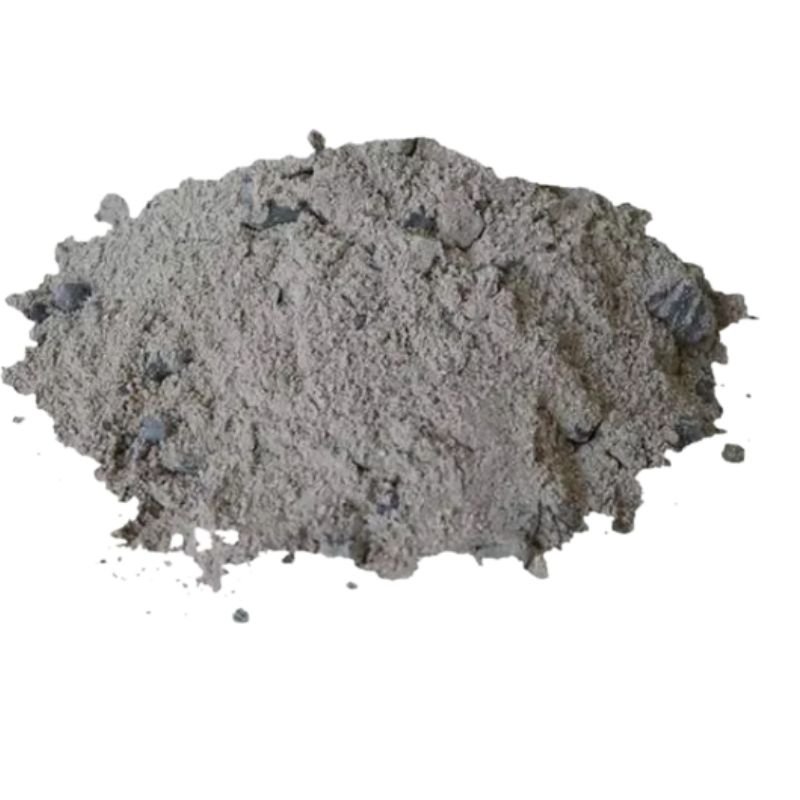
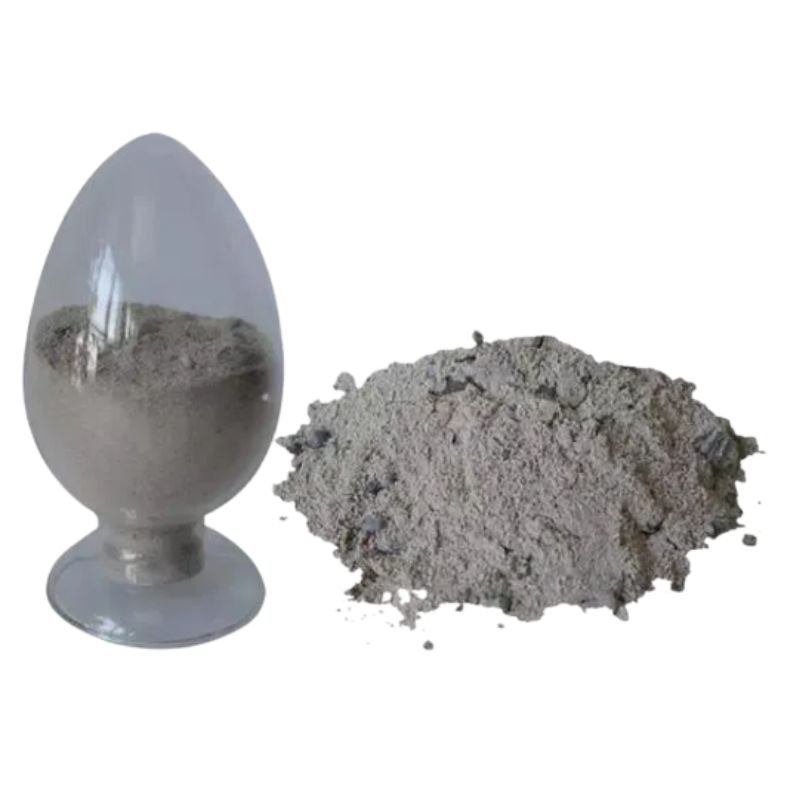
What is Alumina-Magnesia Castable
Alumina-magnesia castable is a high-performance refractory material designed to withstand extreme heat and harsh industrial conditions. It’s made from a blend of alumina and magnesia that, when installed, forms in-situ spinel — a strong, stable compound that dramatically improves the castable’s durability and resistance. This spinel technology evolved as a breakthrough to tackle common issues like slag corrosion and thermal shock that plague traditional materials.
Unlike magnesia-chrome castables, alumina-magnesia castables don’t contain chromium, which can be toxic and environmentally challenging to handle. Plus, the spinel formation inside the refractory boosts volume stability and reduces cracking, making it a smarter, safer choice especially for steelmakers focusing on sustainability and operational efficiency.
In short, this castable outperforms magnesia-chrome alternatives by offering:
- Better corrosion resistance against aggressive slags
- Superior thermal shock resistance for longer service life
- Environmental safety due to chrome-free composition
If you’re looking to enhance your furnace lining’s performance with less downtime and improved longevity, alumina-magnesia castable with in-situ spinel is a proven solution that’s rapidly gaining traction in the U.S. steel industry.
Key Benefits of Gotrays Alumina-Magnesia Castable

Gotrays Alumina-Magnesia Castable is built to deliver real results for steelmakers, especially those running high-volume operations across the US and Asia. Here’s what makes it stand out:
-
Superior Corrosion Resistance
Cuts slag-related inclusions by up to 30%, meaning cleaner steel and fewer production issues.
-
Excellent Thermal Shock Resistance
Handles more than 15 thermal shock cycles without cracking, protecting your lining through tough temperature swings.
-
Longer Service Life
Extends furnace and ladle lining life significantly, reducing downtime and maintenance costs.
-
Optimized for High-Volume Steelmaking
Designed with the U.S. and Asian steel industries in mind, it supports heavy use without compromising performance.
-
In-Situ Spinel Formation
Thanks to advanced spinel technology, it boosts volume stability and structural strength during operation.
These benefits make Gotrays Alumina-Magnesia Castable a reliable choice for keeping your steel production running strong, saving time and money over the long haul.
Technical Specifications and Performance Metrics
Our Alumina-Magnesia Castable meets strict ASTM standards to ensure consistent quality and performance you can trust. Here’s a quick look at the key specs:
| Property | Value | ASTM Standard |
|---|---|---|
| Alumina (Al₂O₃) Content | 45%-55% | ASTM C304 |
| Magnesia (MgO) Content | 35%-45% | ASTM C304 |
| Bulk Density | 2.7 – 3.0 g/cm³ | ASTM C20 |
| Cold Crushing Strength | 25,000 psi (minimum) | ASTM C133 |
| Permanent Linear Change | <0.2% after 24 hrs @ 1600°F | ASTM C531 |
| Thermal Conductivity | 3.5 W/m·K | ASTM C177 |
| Hot Modulus of Rupture | >1,200 psi at 2900°F | Internal Test Data |
Our castable’s hot strength stands out, retaining over 85% of its strength at temperatures above 2700°F (about 1480°C). This means it holds up well in extreme furnace conditions.
Performance Highlights
- Corrosion Resistance: The in-situ spinel formation minimizes slag penetration and erosion.
- Thermal Shock Resistance: Tested to 15+ cycles with no significant damage.
- Volume Stability: Less than 0.2% change after high-temp exposure, preventing cracks and failure.
- Wear Resistance: Its dense, low-cement matrix reduces refractory wear, extending service life.
These performance characteristics make the Alumina-Magnesia Castable a reliable choice for steelmaking operations where durability and efficiency matter.
Ideal Applications in Steel and Industrial Furnaces
Gotrays Alumina-Magnesia Castable is built for tough environments, especially in steel and industrial furnace use. It handles extreme heat and slag erosion, making it a go-to choice for critical areas like ladles and tundishes.
Ladle Applications
- Sidewalls: Offers strong corrosion resistance, protecting against aggressive slags and extending service life.
- Bottoms: Excellent thermal shock resistance means fewer repairs due to temperature swings during ladle operation.
- Zones: The in-situ spinel technology boosts volume stability, preventing cracks and spalling where it matters most.
Tundish Applications
- Sidewalls: Reduces slag penetration and erosion, helping maintain lining integrity even under demanding conditions.
- Bottom: Handles impact and thermal shocks well, limiting downtime caused by frequent maintenance.
Case Study Highlights
- A major steel plant in the Midwest reported a 30% reduction in maintenance costs after switching to our Alumina-Magnesia Castable in ladle sidewalls.
- Another U.S. foundry using the castable in tundish bottoms documented a 20% increase in campaign life, significantly improving ROI.
These real-world results show how Gotrays Alumina-Magnesia Castable offers dependable performance and cost savings in high-volume steel production environments across the United States.
Composition Breakdown and Customization Options
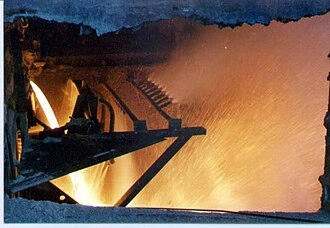
Gotrays Alumina-Magnesia Castable is carefully formulated to deliver the right balance between alumina (Al2O3) and magnesia (MgO), creating a durable spinel-forming refractory material that stands up to tough conditions.
Typical Composition
- Alumina (Al2O3): 45% – 55%
- Magnesia (MgO): 35% – 45%
- Bonding agents and additives: 5% – 10%
This mix ensures optimal spinel formation in-situ, giving the castable its excellent corrosion resistance and volume stability.
Customizing MgO Ratios for Your Slag
Understanding your steel mill’s slag chemistry is key to tuning the MgO content. We customize magnesia percentages to match specific slag types, reducing slag erosion and extending lining life.
- Higher MgO for aggressive basic slags
- Balanced MgO for mixed or variable slag conditions
- Lower MgO in specialized environments needing minimal expansion
This customization supports fewer inclusions, better thermal shock performance, and longer campaign cycles—crucial for high-volume steelmaking in the U.S. and Asia.
Reach out to us for a tailored formulation that fits your plant’s slag profile and operating needs.
Installation Best Practices for Optimal Results
Getting the most out of Gotrays Alumina-Magnesia Castable means following the right installation steps. Here’s a simple guide to help you install the castable smoothly and avoid common problems like hydration cracks.
Step-by-Step Installation Guide
-
Surface Preparation
Clean the base thoroughly. Remove any loose debris or dust to ensure good bonding.
-
Mixing
Use clean water and mix according to the recommended water-to-castable ratio. Avoid adding extra water to keep strength and reduce shrinkage.
-
Application
Pour or trowel the castable promptly after mixing. Make sure to compact it well using mechanical vibration or manual tamping to eliminate air pockets.
-
Curing
Start curing within 2 hours of installation. Keep the castable moist by covering with wet burlap or plastic sheets for at least 48 hours.
-
Drying and Heating
Dry the lining slowly over 3-5 days to prevent rapid moisture loss. Then follow a controlled heat-up schedule to reach service temperature safely.
Troubleshooting Common Issues
-
Hydration Cracks
These can appear if curing is rushed or uneven. To prevent cracks:
- Ensure even moisture throughout curing
- Avoid direct sunlight during curing
- Follow recommended curing times strictly
-
Shrinkage Cracks
Use exact water ratios and proper compaction. Don’t add extra water; it weakens the castable.
-
Poor Bonding
Make sure the base is clean and pre-wetted if needed. Remove any contaminants that could prevent proper adhesion.
Following these steps helps you get durable, long-lasting results from your alumina-magnesia spinel castable. Proper installation is key, especially in high-demand US steel operations where downtime can be costly.
Gotrays Quality Assurance and Sustainability
At Gotrays, quality comes first. Our Alumina-Magnesia Castable undergoes strict testing and meets top ASTM standards to ensure consistent performance. Every batch goes through thorough inspections, including corrosion resistance, thermal shock tests, and spinel formation checks. This means you get a reliable product every time, backed by data and certified results.
We also care about the environment. Gotrays uses low-emission binders in our castables, helping steelmakers reduce their carbon footprint. These eco-friendly materials support cleaner production—perfect for companies committed to green steel initiatives. When you choose Gotrays, you’re not only getting high-performing refractory but also contributing to a more sustainable future.
Frequently Asked Questions
How does spinel formation affect volume stability in alumina-magnesia castable
Spinel forms naturally when alumina and magnesia react under heat, creating a stable phase inside the castable. This in-situ spinel helps control volume changes during heating and cooling cycles. Without it, refractories can crack or warp because of uneven expansion. So, spinel formation improves overall structural integrity and extends service life by reducing shrinkage and cracking.
Why choose alumina-magnesia castable over magnesia-chrome refractory
Alumina-magnesia castables avoid the environmental and health concerns linked to chrome-based materials but still deliver excellent corrosion and slag resistance. They also handle thermal shock better, which means fewer shutdowns and repairs in steel operations. This makes them a safer and more cost-effective choice in the U.S. market.
Can the MgO content be customized for specific steel slags
Yes, the MgO ratio in Gotrays alumina-magnesia castable can be adjusted depending on the slag chemistry you’re dealing with. This customization helps improve slag resistance and castable lifespan in various steelmaking environments.
What common issues should I watch for during installation
Watch for hydration cracks caused by moisture exposure before or during installation. Proper mixing, drying, and curing following Gotrays recommended timeline will minimize these problems. Our installation guide provides a step-by-step approach to ensure the best results.
How does alumina-magnesia castable improve ladle lining performance
Its corrosion resistance cuts inclusion contamination by about 30%, and thermal shock resistance extends lining life by 15+ cycles. This means fewer relines and less downtime, improving productivity in steel ladle operations across the U.S.
If you have more questions or need specific advice on upgrading your refractory lining, contact us anytime.
Ready to Upgrade Your Refractory Get a Gotrays Quote
Thinking it’s time to boost your steel operations with high-performance alumina-magnesia castable? Getting a quote from Gotrays is easy and quick. Just fill out our simple form, and one of our experts will reach out to discuss your needs and offer the best solutions tailored to your facility.
Explore Related Products
Check out our range of related refractory castables and accessories designed to support your steel ladle lining and furnace maintenance. Our products are built with the latest spinel-forming refractory materials and optimized for corrosion resistance and thermal shock durability.
Stay Connected
- Sitemap | Product Catalog | Installation Guides
- Sign up for our newsletter to get industry updates, new product info, and exclusive offers straight to your inbox.
Upgrade your refractory lineup with Gotrays today and experience durable, cost-effective solutions designed for high-volume steel operations in the US.



 English
  Korean
  Arabic
Reviews
There are no reviews yet.