
What is an Alumina Ceramic Rod?
An alumina ceramic rod is a solid, cylindrical component made primarily from aluminum oxide (Al₂O₃). This material is known for its high strength, excellent wear resistance, and outstanding electrical insulation properties.
Chemical Composition
- Al₂O₃ (Aluminum Oxide): Typically 96% to 99.9% purity
- Provides excellent hardness, thermal stability, and chemical inertness
How It’s Manufactured
Alumina rods are produced using advanced ceramic processing techniques such as:
- Extrusion: Pushing the ceramic paste through a shaped die to form long rods
- Dry Pressing: Compressing powdered alumina into a mold under high pressure
- Cold Isostatic Pressing (CIP): Applying uniform pressure from all sides for high density
- Sintering: Heating the pressed shape at high temperatures (1400–1700 °C) to fuse particles into a dense, solid rod
Rod vs. Tube vs. Substrate
| Feature | Alumina Rod | Alumina Tube | Alumina Substrate |
|---|---|---|---|
| Shape | Solid cylinder | Hollow cylindrical tube | Flat plate / sheet |
| Common Use | Shafts, pins, insulation | Protective sleeves, conduit | Electronic circuits, sensors |
| Wall Thickness | Full solid | Thin walls | N/A |
| Machining Options | Precision grinding, drilling | Cutting, threading | Thin slicing, polishing |
You’ll find alumina rods ideal when solid, high-strength components are needed — perfect for shafts, plungers, or insulating pins. Tubes and substrates serve different roles like protective covers or electronic bases.
Key Physical & Mechanical Properties of Alumina Ceramic Rods
Alumina ceramic rods are prized for their outstanding physical and mechanical traits, which vary with purity levels. Here’s a quick overview:
| Property | Typical Range / Value |
|---|---|
| Purity (%) | 96, 99, 99.5, 99.7, 99.9 |
| Hardness | Mohs: 9 / Vickers: 1500–2000 HV |
| Compressive Strength | 2000 – 4000 MPa |
| Flexural Strength | 250 – 450 MPa |
| Thermal Conductivity | 20 – 35 W/m·K (decreases with purity) |
| Thermal Shock Resistance | Excellent (rapid heating/cooling) |
| Max Operating Temp. | Up to 1700 °C |
| Electrical Resistivity | >10¹⁴ Ω·cm (excellent insulation) |
| Corrosion & Wear Resistance | High, resists many acids and abrasion |
Purity vs. Performance
Alumina purity directly impacts performance:
- 96% Purity: Cost-effective, good wear resistance, lower strength.
- 99% Purity: Balanced strength and durability suitable for many applications.
- 99.5% – 99.7% Purity: Higher density, improved mechanical strength, and better electrical insulation.
- 99.9% Purity: Premium grade, finest grain size, maximum hardness, and superior thermal and chemical stability.
Important Attributes
- Hardness: Thanks to a Mohs hardness of 9, alumina rods are highly scratch-resistant, with Vickers hardness values up to 2000 HV, making them ideal for wear-prone environments.
- Strength: High compressive strength supports heavy mechanical loads, while good flexural strength ensures resistance to bending stresses.
- Thermal Properties: Excellent thermal shock resistance and stable thermal conductivity allow alumina rods to operate reliably up to 1700 °C.
- Electrical Insulation: Extremely high electrical resistivity >10¹⁴ Ω·cm makes alumina ceramic rods perfect for electrical insulation parts.
- Chemical Resistance: Alumina is chemically inert to most acids and alkalis, offering exceptional corrosion resistance and durability.
These features make alumina ceramic rods a go-to choice in industries requiring reliable high-temperature, wear-resistant, and insulating components.
For applications demanding exceptional refractory properties, you might also explore advanced options like our BNSiC composite ceramic or silicon carbide bricks, which complement alumina’s performance in extreme environments.
Standard Sizes & Tolerances Gotrays Offers
Gotrays provides alumina ceramic rods in a wide diameter range from 0.3 mm up to 100 mm, with lengths available up to 2500 mm. Whether you need a small, delicate rod or a larger, heavy-duty one, we can accommodate your project.
We offer standard tolerances suitable for most industrial uses, plus precision ground rods with tolerances as tight as ±0.01 mm for applications requiring exact dimensions. Customization is also available, including one-end closed rods, threaded rods, and multi-bore options to meet specific technical needs.
If you’re working in demanding environments, precise sizing and advanced features like multiple bore holes can make a huge difference. For related uses, you might also explore our range of silicon carbide protective tubes for thermocouples designed for high-temperature insulation and durability.
Common Applications by Industry
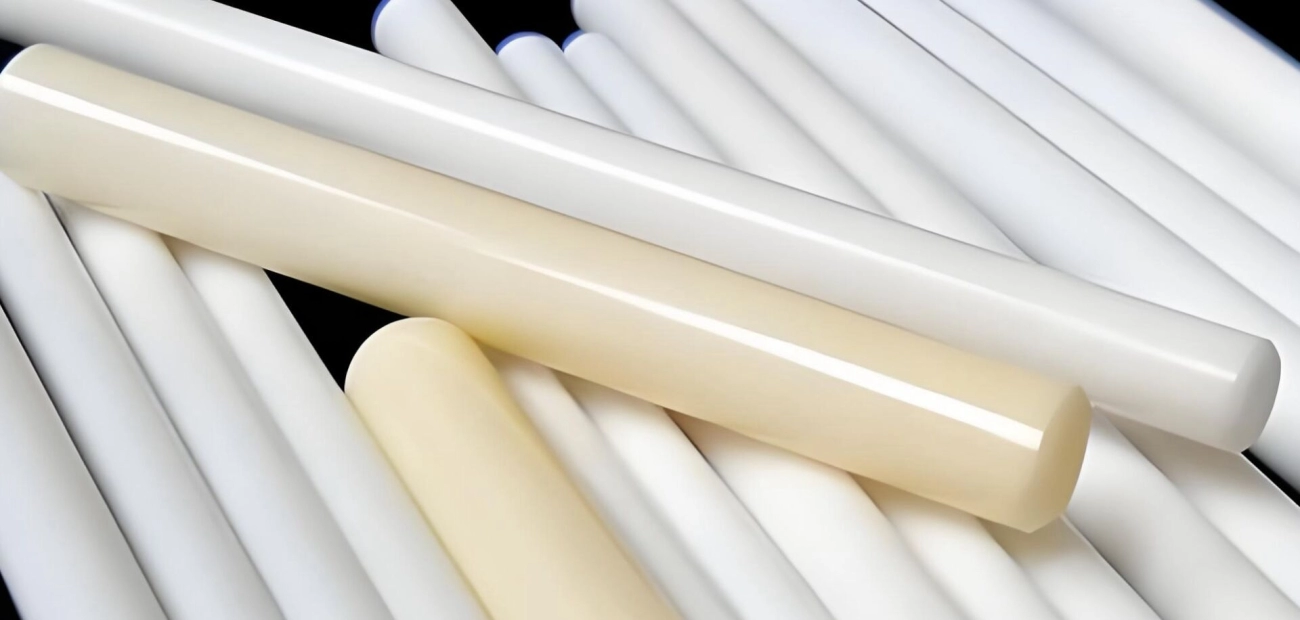
Alumina ceramic rods are trusted across many industries thanks to their toughness, thermal stability, and electrical insulation. Here are some common uses you\’ll find worldwide:
-
Thermocouple Protection & Insulation: Alumina rods protect sensitive thermocouple wires from extreme heat and chemical damage without interfering with electrical signals, making them ideal for high-temperature measurements.
-
Pump Shafts and Plungers: The wear-resistant and corrosion-proof nature of alumina rods suits pump components that face constant friction and harsh fluids, ensuring longer service life.
-
Semiconductor Wafer Handling: Precision alumina rods are used for handling delicate wafers in semiconductor manufacturing due to their smooth surface, chemical inertness, and electrical insulation.
-
Medical & Dental Implants/Tools: Biocompatible alumina ceramics serve in medical devices and dental tools where durability and non-reactivity are critical.
-
High-Vacuum Components: Alumina’s excellent vacuum stability makes it a go-to for seals, insulators, and supports in high-vacuum systems.
-
Laboratory Furnace Elements: Alumina rods function as supports, protection, and insulation parts inside tube furnaces, resistant to thermal shock and high temperatures.
-
Mechanical Seals and Bearings: The high hardness and low friction of alumina rods help extend the lifespan of seals and bearings in demanding environments.
For specialized needs, pairing alumina rods with compatible parts like silicon carbide bearings can optimize performance in high-wear situations. In some high-temperature furnace systems, components like molybdenum disilicide heating elements complement alumina for efficient heating and insulation.
This versatility is why alumina ceramic rods remain a top choice in industries requiring reliability under tough conditions.
Alumina vs. Zirconia vs. Silicon Carbide – When to Choose Alumina
Choosing the right ceramic rod depends on your application needs. Here’s a quick look at how alumina compares to zirconia and silicon carbide, focusing on cost, toughness, maximum temperature, and electrical insulation.
| Property | Alumina Ceramic Rod | Zirconia Ceramic Rod | Silicon Carbide Rod |
|---|---|---|---|
| Cost | Moderate (cost-effective) | Higher | Moderate to High |
| Toughness | Good (brittle but reliable) | Excellent (toughest) | High (wear-resistant) |
| Max Operating Temp | Up to 1700 °C | ~1200 °C | Up to 1600 °C |
| Electrical Insulation | Excellent (>10¹⁴ Ω·cm) | Poor (semi-conductive) | Moderate (depends on grade) |
| Wear & Corrosion Resistance | Very good | Good | Excellent |
When to pick Alumina:
- You need strong electrical insulation—alumina’s high resistivity suits electrical or thermal insulation parts.
- High-temperature durability up to 1700 °C is required.
- Cost is a key factor but you still want excellent wear and corrosion resistance.
- Applications like thermocouple protection, mechanical seals, or semiconductor components benefit from alumina rods.
For cases where extreme toughness is a must, zirconia rods excel. Meanwhile, silicon carbide is preferred for ultra-high wear applications needing excellent thermal shock resistance.
If your project demands high purity and electrical insulation with a balance of cost and durability, alumina ceramic rods from Gotrays are a reliable choice. For alternatives like high-temp, wear-resistant tubes, check out our silicon carbide ceramic tube options.
How to Choose the Right Purity and Size
Selecting the right alumina ceramic rod purity and size depends mainly on your application needs. Here’s a simple decision matrix to help guide your choice based on performance and cost:
| Application | Recommended Purity | Key Benefits |
|---|---|---|
| General wear-resistant parts | 96% – 99% | Cost-effective, good mechanical strength |
| High temperature insulation | 99% – 99.5% | Better thermal stability, electrical insulation |
| Precision semiconductor tools | 99.5% – 99.7% | Superior purity reduces contamination risks |
| Medical implants & electronics | 99.7% – 99.9% | Ultra-high purity ensures biocompatibility and reliability |
| High-end aerospace & research | 99.9%+ | Maximum thermal resistance & mechanical strength |
Size considerations:
- For fine applications like thermocouple protection or wafer handling, rods as small as 0.3 mm diameter are available.
- Larger diameters (up to 100 mm) work well for mechanical seals and pump shafts.
- Custom lengths up to 2500 mm can be tailored to your specific setup.
Cost impact: 99% vs 99.9% purity alumina rods
| Purity | Typical Price Range | Notes |
|---|---|---|
| 99% | Lower cost | Ideal for bulk, less critical parts |
| 99.9% | 1.5x – 2x higher | Needed for precision, high-purity use |
Choosing a higher purity rod brings improved electrical insulation, thermal resistance, and wear performance, but costs more. If your project is sensitive to contamination or extreme conditions, investing in 99.7% or 99.9% alumina ceramic rods pays off in longevity and reliability.
For custom sizes or high-purity rods, Gotrays offers expert guidance and flexible manufacturing to match your exact specifications.
Machining & Customization Capabilities at Gotrays
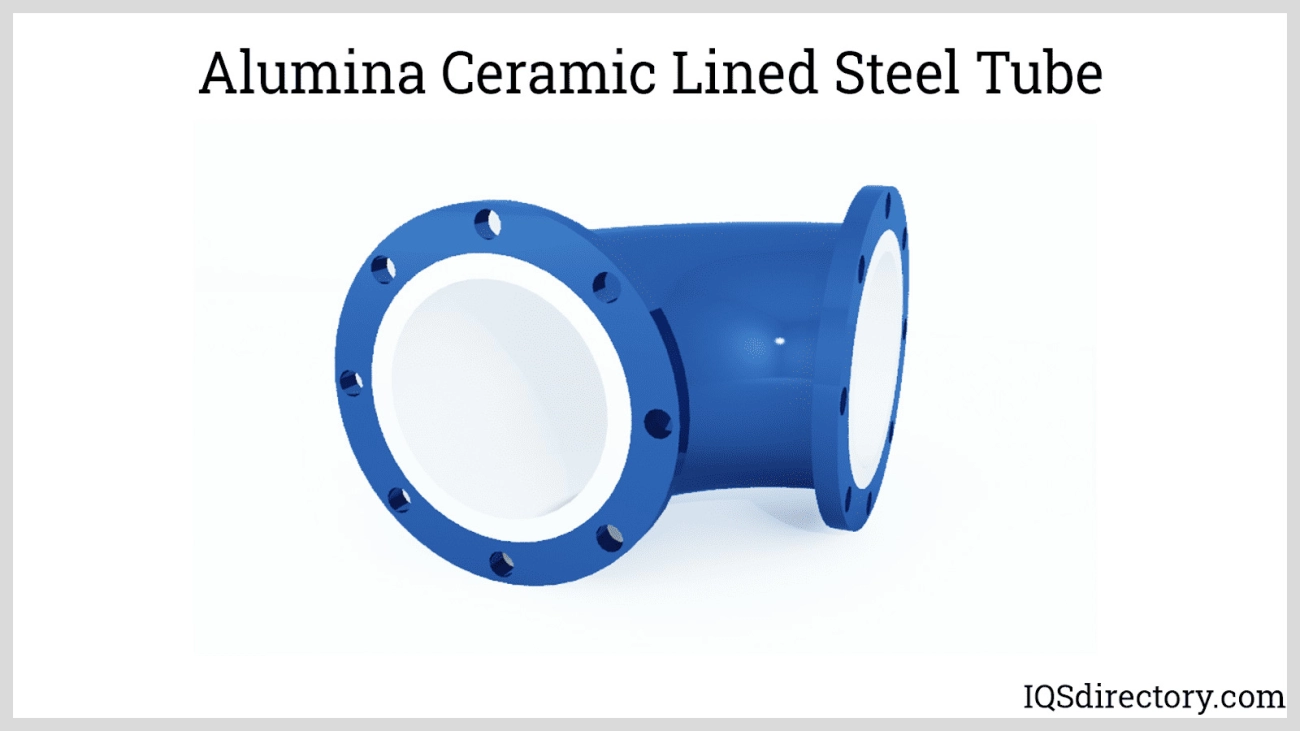
At Gotrays, we offer advanced machining services to meet precise requirements for alumina ceramic rods. Our capabilities include CNC grinding, laser cutting, and centerless grinding, ensuring tight tolerances and smooth finishes. Whether you need standard shapes or complex custom designs, we can handle it.
We also cater to small batch orders and prototypes, with a minimum order quantity of just one piece. This flexibility is perfect for R&D, specialized industries, or custom applications where every detail counts. Our in-house machining means faster turnaround and consistent quality, helping you get the exact alumina rod you need without compromise.
Quality Certifications & Testing
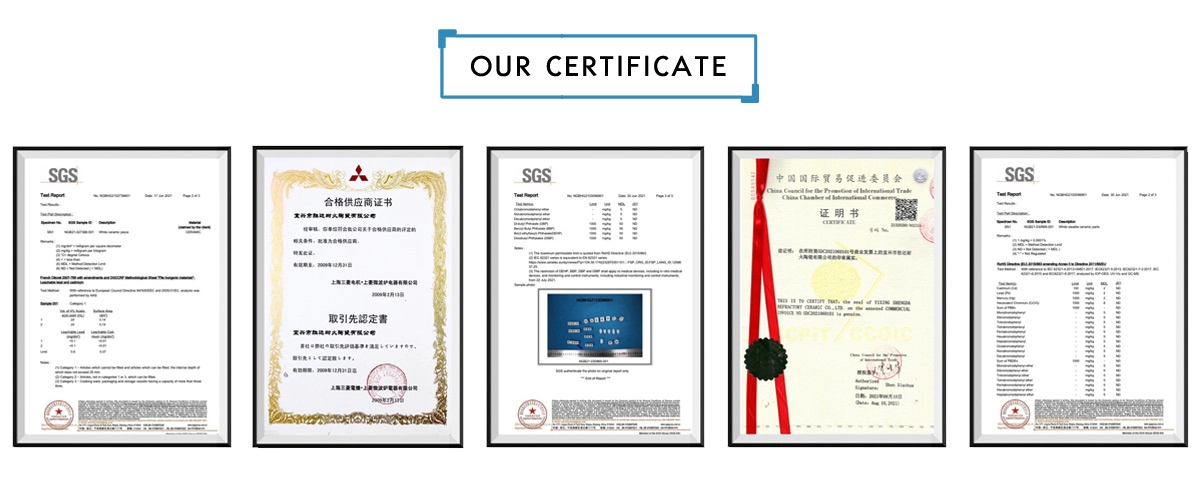
At Gotrays, quality is our top priority for every alumina ceramic rod we produce. Our rods come with full ISO 9001 certification, ensuring consistent manufacturing processes that meet international standards. We also comply with RoHS and REACH regulations, guaranteeing that our products are free from hazardous substances and safe for your applications.
To give you confidence in every batch, we provide detailed material certificates (CoC) that verify the chemical purity, density, and mechanical properties of each rod. Additionally, our alumina rods undergo rigorous testing by independent third-party labs, offering reliable validation of performance data like electrical insulation, hardness, and thermal resistance.
With these certifications and transparent testing, you can trust Gotrays alumina rods for critical applications in aerospace, medical, semiconductor, and more. For related products, check out our high-quality alumina ceramic powder that meets similar standards for purity and consistency.
Pricing Guide 2025 & Lead Times
When budgeting for alumina ceramic rods in 2025, price mainly depends on the purity level and diameter you choose. Generally, rods with higher purity — like 99.9% alumina ceramic rods — cost more due to the extra processing and material quality. Smaller diameters tend to be pricier per mm because of the precision required, while larger sizes offer better value but may have longer lead times.
Typical price trends you can expect:
- 96% – 99% purity: Most affordable option, suitable for less demanding applications
- 99.5% – 99.7% purity: Mid-range price, offering a good balance of performance and cost
- 99.9% purity: Premium grade, priced higher, ideal for high-tech uses requiring strict specifications
We stock popular sizes like precision alumina rods from 0.3 mm up to 100 mm diameter for fast shipping. Standard sizes generally ship within a week, while custom diameters, lengths, or features (such as one-end closed or threaded rods) usually require 1 to 4 weeks lead time depending on quantity and complexity.
Need a tightly toleranced or fine-grained alumina ceramic rod? Our custom manufacturing and machining services can deliver small batches and prototypes quickly, with clear timelines upfront to keep your project on track.
For high-purity and custom alumina rods, plan your orders early to avoid delays. If you want more info on lead times for specific sizes or purities, we’re here to help with same-day quotes, making it easy to budget and schedule.
For related ceramic components supporting industrial use, check out our boron nitride ceramic rods or explore high-performance parts like the silicon carbide impeller to complement your setup.
Why Engineers Choose Gotrays for Alumina Ceramic Rods
For over 20 years, Gotrays has specialized in high purity alumina rods ranging from 99% to 99.9% Al₂O₃. Our deep experience means we deliver reliable, high-performance ceramic rods tailored to your needs.
Key Reasons Our Customers Trust Gotrays:
| Feature | Benefit |
|---|---|
| 20+ Years Expertise | Proven quality in alumina ceramic rods |
| In-House Precision Machining | Tight tolerances down to ±0.01 mm |
| Fast Quotes | Same-day quotations to keep projects on time |
| Global Express Shipping | Quick delivery worldwide |
| Custom Solutions | Small batch, prototypes, and special sizes |
We support diverse industries like aerospace, medical devices, and semiconductors with rods known for wear resistance, electrical insulation, and thermal stability.
Our strong custom machining capabilities ensure your alumina rod fits perfectly, whether you need fine-grained or dense rods with special shapes or surface finishes. This sets Gotrays apart from standard suppliers who often lack such flexible service.
For projects involving extremely high temperatures or delicate wafer handling, our rods perform reliably with excellent machinability and durability.
Choose Gotrays for quality and service that engineers worldwide rely on for critical alumina ceramic components. You can also explore our related products like quartz ceramic kiln furniture to complement your ceramic solutions.
Frequently Asked Questions
What is the difference between 99% and 99.5% alumina rods?
The main difference lies in purity, which affects performance. 99.5% alumina rods offer better hardness, higher wear resistance, and improved electrical insulation compared to 99% rods. The slight increase in purity also means better thermal stability and corrosion resistance, which is critical for demanding applications.
Can you supply 0.5 mm diameter rods in 99.9% purity?
Yes, we can supply ultra-fine alumina ceramic rods down to 0.3 mm diameter, including 0.5 mm, with 99.9% purity. These high-purity, precision alumina rods are ideal for applications requiring excellent insulation and mechanical strength at very small sizes.
What is the lead time for custom lengths?
For custom alumina ceramic rod lengths beyond our stock standard, typical lead times range between 2 to 4 weeks. This depends on the purity level, size, and any special machining or finishing requested.
Are your alumina rods fully dense or porous?
Our alumina rods are fully dense and fine-grained, ensuring maximum mechanical strength, electrical insulation, and wear resistance. This dense structure is achieved through advanced manufacturing processes like dry pressing and sintering.
Do you provide material data sheets and Certificates of Conformity (CoC)?
Absolutely. Every order comes with comprehensive material data sheets and CoCs. We also offer third-party lab test reports upon request, ensuring full transparency about purity, mechanical properties, and compliance with international standards.
For additional information on alumina ceramics, you might find our alumina ceramic sheets useful as a complementary reference.
 English
  Korean
  Arabic