
What Is an Alumina Ceramic Plate?
An alumina ceramic plate is a solid, dense sheet made primarily of aluminum oxide (Al₂O₃). Alumina is prized for its excellent hardness, wear resistance, electrical insulation, and thermal stability. It’s widely used in electronics, industrial machinery, and protective applications.
Chemical Composition and Manufacturing
- Main component: Aluminum oxide (Al₂O₃), typically 92% to 99.99% purity depending on the grade.
- Basic manufacturing steps:
- Dry pressing: Powder is compacted into a mold under high pressure.
- Cold Isostatic Pressing (CIP): Uniform pressure applied in all directions to improve density.
- Tape casting: Produces thin, flat sheets by spreading a slurry onto a conveyor belt.
- Sintering: Heated at high temperatures (~1600–1800°C) to fuse particles into a dense ceramic plate.
These steps control the final density, mechanical strength, and surface finish.
Plate vs Sheet vs Substrate vs Wafer
| Term | Description | Typical Use | Thickness Range |
|---|---|---|---|
| Plate | Thick, flat ceramic piece, often structural | Mechanical parts, armor, insulators | 0.25 mm – 25 mm+ |
| Sheet | Thin, flexible or brittle ceramic layer | Wear liners, packaging, lightweight parts | <0.5 mm to several mm |
| Substrate | Ceramic base for electronic circuits | Circuit boards, sensors | Usually thin and polished sheets |
| Wafer | Ultra-thin, precisely sliced ceramic or semiconductor | Semiconductor manufacturing, LED growth | <1 mm, high flatness and purity |
Understanding these distinctions helps you select the right alumina form for your application. Gotrays specializes in precision plates and substrates to meet various industrial needs.
Alumina Purity Grades Explained (2025 Updated)
Alumina ceramic plates come in various purity grades, each suited for different applications depending on performance and budget. Here\’s a quick breakdown of the common purity levels you\’ll find:
| Purity | Density (g/cm³) | Hardness (Mohs) | Dielectric Strength (kV/mm) | Thermal Conductivity (W/m·K) | Price Level | Typical Use |
|---|---|---|---|---|---|---|
| 92–96% | 3.75–3.85 | 8.5 | 10–12 | 18–20 | Low | General wear plates, low-cost insulation |
| 99% | 3.85 | 9 | 14–16 | 20–22 | Moderate | Electrical insulators, mechanical parts |
| 99.5% | 3.90 | 9 | 15–18 | 22–25 | Mid-High | Semiconductor substrates, high-precision parts |
| 99.7% | 3.90 | 9 | 16–19 | 23–26 | High | Advanced electronics, medical devices |
| 99.9% | 3.95 | 9 | 17–20 | 25–28 | Premium | High-end semiconductors, laser components |
| 99.99% | 3.98 | 9 | 18–21 | 28–30 | Ultra | Specialized research, ultra-pure electronics |
Higher purity alumina ceramic plates offer enhanced electrical insulation, better thermal conductivity, and improved mechanical strength but come at a higher price. For example, 99.5% and above grades are the preferred choice for critical semiconductor substrates and precision alumina ceramic plates, while 92–96% grades serve well for wear liners and less demanding industrial uses.
If you need a custom solution or more info about precise alumina purity grades, we also provide a wide range of alumina ceramic rods and components tailored to your specs. Check our technical details or reach out via our contact page for expert advice.
Key Physical, Mechanical, Thermal & Electrical Properties of Alumina Ceramic Plates
Alumina ceramic plates are known for their excellent combination of physical, mechanical, thermal, and electrical properties, making them a reliable choice across many industries. Here\’s a quick breakdown of the key specs you should know:
| Property | Typical Value Range | Notes |
|---|---|---|
| Flexural Strength | 350 – 450 MPa | High resistance to bending forces |
| Compressive Strength | 2000 – 4000 MPa | Exceptional ability to withstand pressure |
| Young’s Modulus | 300 – 400 GPa | Indicates stiffness and elasticity |
| Coefficient of Thermal Expansion (CTE) | 6.5 – 8.0 × 10⁻⁶ /K | Low expansion helps maintain stability |
| Maximum Service Temperature | Up to 1700°C | Suitable for high-temp environments |
| Thermal Conductivity | 20 – 30 W/m·K | Efficient heat dissipation |
| Volume Resistivity | > 10¹² Ω·cm | Excellent electrical insulation |
| Dielectric Constant (at 1 MHz) | 9 – 11 | Stable electric performance |
Quick Visual Guide
- Strength & Resistance: Alumina plates resist bending and compressive forces far better than many other ceramics.
- Thermal Stability: They operate effectively in high-temperature settings without losing mechanical integrity.
- Electrical Insulation: Extremely high volume resistivity and consistent dielectric constant make alumina ceramic ideal for electronic applications.
- Thermal Expansion: Low CTE means less risk of cracking under temperature changes.
These combined properties explain why alumina ceramic plates are indispensable in sectors such as semiconductor manufacturing, electrical insulators, and wear-resistant applications. For projects requiring specific thermal or mechanical performance, choosing the right alumina purity and finish can optimize your results.
Check out our detailed specifications and related products like silicon carbide heating elements, which complement alumina’s thermal properties in high-temp setups.
Standard Sizes, Thicknesses & Tolerances Gotrays Offers
At Gotrays, our alumina ceramic plates come in a variety of standard sizes to suit most industrial and scientific needs. Common dimensions include 100×100 mm, 114×114 mm, and 150×150 mm, with custom sizes available upon request. We offer thicknesses ranging from as thin as 0.25 mm up to a robust 25 mm, making it easy to find the perfect fit for your project—whether you need a thin alumina ceramic wafer or a thick alumina oxide ceramic plate.
When it comes to tolerances, Gotrays distinguishes between as-fired and ground or polished plates. As-fired alumina plates typically hold tolerances around ±0.5%, which works well for less precision-demanding applications. For high-precision needs, our ground or polished plates come with tight tolerances down to ±0.01 mm, plus surface finishes with roughness (Ra) as low as 0.02 µm. This accuracy ensures a precise fit and performance in applications like semiconductor substrates or precision alumina ceramic plates.
For additional processing options like metallization or CNC machining to meet your exact specs, you can check what we offer along with our machining capabilities to complement these standard sizes. If you\’re interested in other high-performance ceramic components, our range also includes alumina ceramic rings and alumina ceramic bearings, which might be useful depending on your project\’s needs.
Surface Finish & Processing Options for Alumina Ceramic Plates
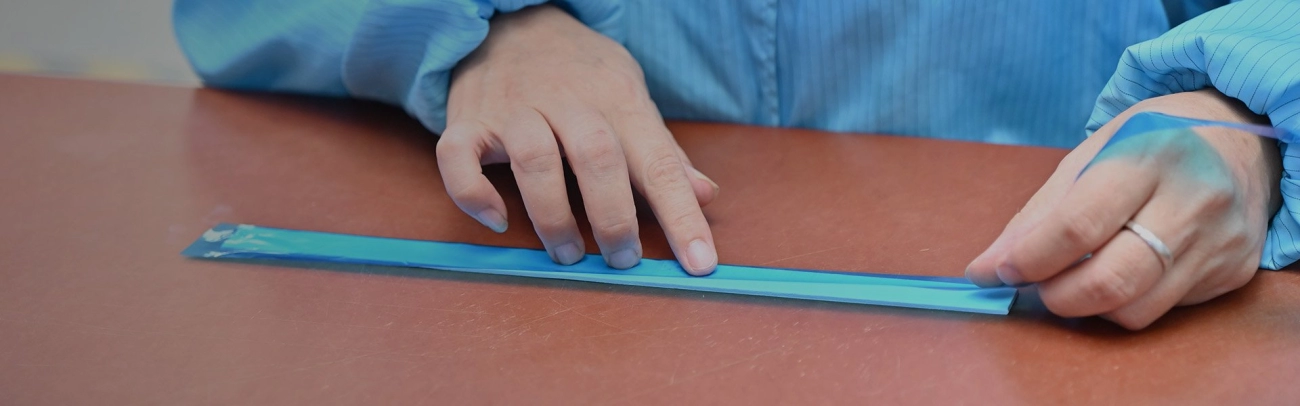
Alumina ceramic plates come with a variety of surface finishes and processing options to suit different applications:
| Finish Type | Description | Typical Ra (Surface Roughness) | Use Cases |
|---|---|---|---|
| As-fired | Direct from sintering, no extra treatment | 0.2 – 0.5 µm | General use, cost-effective |
| Lapped | Fine abrasive process for flatter surfaces | 0.05 – 0.1 µm | Improved flatness, better sealing |
| Polished | Ultra-smooth, mirror-like finish | ≤ 0.02 µm | High-precision optics, semiconductor |
| Metallized (DPC, DBC) | Thin metal layers (Direct Plated Copper or Direct Bonded Copper) | N/A | Electronic substrates, heat sinks |
| Laser-scribed | Precisely cut markings or outlines | N/A | Marking, patterning |
| CNC Machined | Custom shaping or drilling | Depends on end finish | Complex geometries, tight tolerances |
Why These Matter:
- As-fired surfaces are best for low-cost and less demanding parts.
- Polished plates with Ra ≤ 0.02 µm are critical when smoothness and flatness impact device performance, like in semiconductor applications.
- Metallization adds conductivity for electronic uses, enhancing thermal management and electrical connections.
- Laser scribing and CNC machining allow precision customization for specific project requirements.
This variety ensures you get the exact alumina oxide ceramic plate suited to your production or R&D needs.
For projects needing heat-resistant fiber materials, consider pairing with related products like our durable ceramic fiber rope for thermal insulation solutions.
Top 10 Real-World Applications of Alumina Ceramic Plates
Alumina ceramic plates shine in many industries due to their toughness, insulation, and thermal stability. Here are the top 10 uses where these plates make a real impact:
-
Semiconductor ESC & Wafer Handling
Alumina’s excellent electrical insulation and flatness make it ideal for Equipment Support Components (ESC) and wafer carriers in semiconductor fabs. It keeps silicon wafers safe from contamination and mechanical stress.
-
LED Sapphire Substrate Replacement Trials
Alumina plates provide a cost-effective alternative during R&D phases when testing new LED sapphire substrates, thanks to their thermal conductivity and stability.
-
Armor & Ballistic Protection
High-purity alumina ceramic armor plates are widely used in military and law enforcement gear for lightweight, reliable ballistic resistance.
-
High-Voltage Insulators & Bushings
Its outstanding dielectric strength makes alumina ceramic bushings and insulators perfect for electrical power equipment, ensuring safety and durability. Gotrays offers precision alumina ceramic bushings tailored for these applications.
-
Medical Implant Components & Analytical Instruments
Biocompatible alumina is used in orthopedic implants and medical devices needing wear-resistant, non-reactive materials. Analytical tools also rely on alumina for stable, precise components.
-
Wear Liners for Mining & Cement
Tough alumina wear plates protect chutes, hoppers, and conveyors from abrasion in harsh mining and cement environments.
-
Thermal Shield Plates in Vacuum Furnaces
Alumina’s high max service temperature and thermal shock resistance make it ideal for vacuum furnace shield plates, guarding delicate parts during heat treatment.
-
Microwave & RF Windows
Low dielectric loss and excellent mechanical strength allow alumina plates to serve as windows or radomes in microwave and RF communication systems.
-
Pump Seals and Valve Plates
Chemical inertness and wear resistance make alumina ceramic a go-to for seals and valves in harsh chemical processing environments.
-
Sputtering Targets Backing Plates
Alumina is a preferred backing plate for sputtering targets in thin-film deposition since it provides uniform heat dissipation and mechanical support.
These cases showcase why high purity alumina plates are trusted globally across demanding applications. For specialized uses like electrical insulation, consider exploring our selection of alumina ceramic bushings designed for high-voltage performance.
Alumina vs Competing Materials (Side-by-Side Comparison)
When choosing ceramic plates, alumina (Al₂O₃) often competes with zirconia, silicon carbide (SiC), aluminum nitride (AlN), quartz, boron nitride (BN), and metals. Here\’s a quick glance at how alumina stacks up against these alternatives:
| Property | Alumina Ceramic Plate | Zirconia Ceramic | Silicon Carbide (SiC) | Aluminum Nitride (AlN) | Quartz / Boron Nitride / Metals |
|---|---|---|---|---|---|
| Purity & Stability | High purity options (up to 99.99%), excellent chemical inertness | Tougher but less chemical resistant | High hardness and corrosion resistance | High purity, excellent thermal conductivity | Quartz & BN good insulators, metals conductive |
| Hardness (Mohs) | 9 | 8.5 | 9–9.5 | ~7–8 | Quartz 7, metals soft, BN ~2.5 |
| Thermal Conductivity | Moderate (20–30 W/m·K typical) | Low (~2 W/m·K) | Very high (120–200 W/m·K) | High (~140–180 W/m·K) | Quartz low (1.4 W/m·K), BN moderate, metals high |
| Dielectric Strength | High (~13–15 kV/mm) | Moderate | Moderate | Very high (~20 kV/mm) | Quartz & BN are good insulators, metals conductive |
| Mechanical Toughness | Good, brittle but reliable | Higher toughness, less brittle | Very high strength & wear resistance | Moderate toughness | Quartz brittle, BN soft, metals ductile |
| Max Service Temp. | Up to 1700°C | Up to 1200°C | Up to 1600°C | Around 900°C | Quartz low (~1200°C), metals variable |
| Machinability | Moderate with CNC and laser | Difficult, specialized tools | Very hard to machine | Easier than SiC, hard | Quartz fragile, metals easy |
| Typical Uses | Electrical insulators, wear plates, armor, semiconductor substrates | Dental implants, structural parts | High wear parts, mechanical seals | Heat sinks, electronics substrates | Windows, seals, electrodes, structural parts |
- Alumina is best for balanced cost, excellent wear resistance, good electrical insulation, and high purity options.
- Zirconia offers superior toughness but lower chemical stability.
- Silicon carbide excels in hardness and thermal shock but costs more and is harder to process.
- Aluminum nitride shines in thermal conductivity and dielectric strength ideal for electronics cooling.
- Quartz and boron nitride are niche materials—great insulators but brittle or soft compared to alumina.
- Metals offer conductivity and ductility but lack corrosion resistance and electrical insulation of ceramics.
Choosing the right material depends on your application’s priorities: strength, thermal management, electrical insulation, or cost efficiency. For many projects, a precision alumina ceramic plate hits the sweet spot, combining durability, purity, and versatility.
For a broader ceramic comparison, you might find our detailed products like high-quality alumina ceramic powder valuable for customization needs.
How to Choose the Right Alumina Plate for Your Project
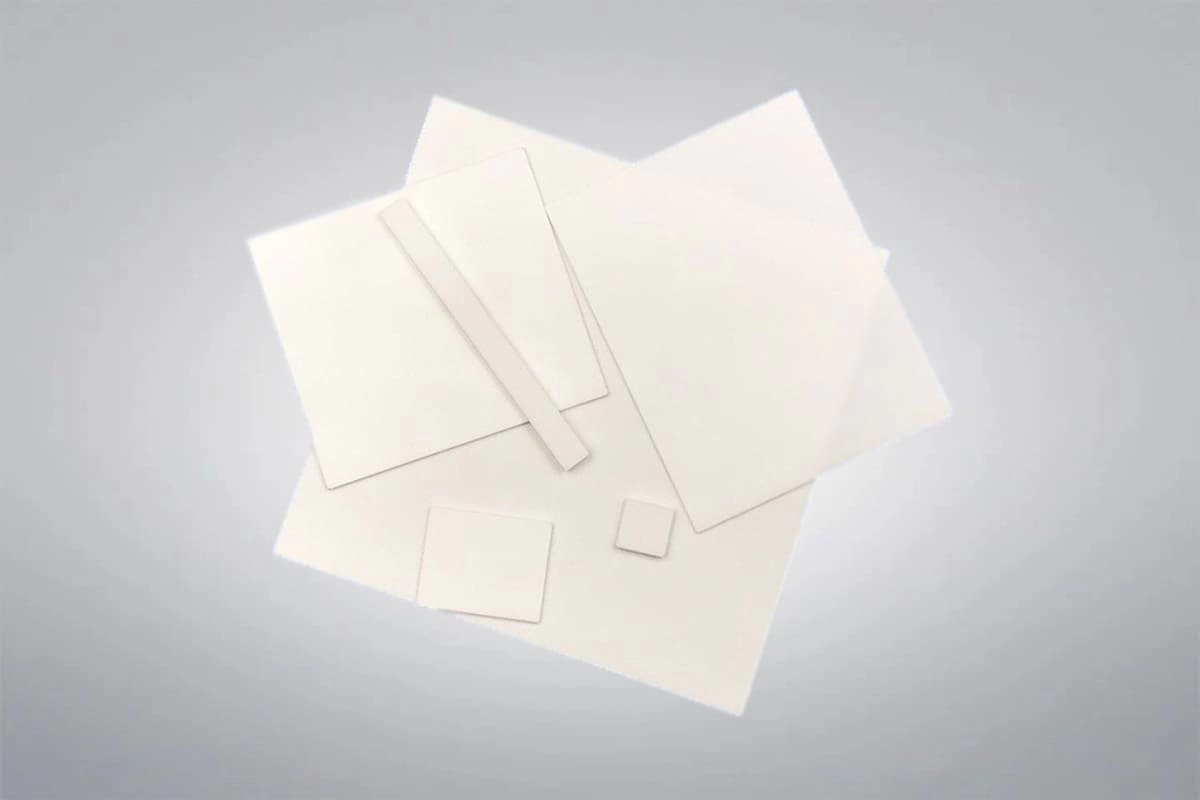
Picking the right alumina ceramic plate can be tricky without a clear plan. Here’s a simple step-by-step guide to help you make the best choice based on your needs.
Step-by-Step Selection Flowchart
| Step | What to Consider | Why It Matters |
|---|---|---|
| 1. Identify Application | Wear, insulation, thermal, or mechanical? | Each use demands different properties. |
| 2. Purity Grade | 92% to 99.99% alumina | Higher purity usually means better performance and cost. |
| 3. Size & Thickness | Max dimensions and thickness range | Must fit your design and processing method. |
| 4. Surface Finish | As-fired, polished, metallized? | Affects performance, durability, and cost. |
| 5. Mechanical/Thermal Properties | Strength, thermal conductivity, CTE | Match with operating environment. |
| 6. Electrical Properties | Dielectric strength, resistivity | Crucial for electronic or insulation parts. |
| 7. Budget and Lead Time | Balance cost with project timeline | Prioritize what matters most: cost or speed. |
Critical Questions to Ask Your Supplier
- What alumina purity grades do you offer, and can you provide detailed specs?
- Can the plates be custom sized, laser cut, or machined to my tolerances?
- Do you have certifications like RoHS, REACH, or ITAR?
- What surface finish and metallization options are available?
- What quality tests do you perform (SEM, dielectric withstand, flatness)?
- What lead times and minimum order quantities apply?
- Can you provide samples or prototypes?
Cost vs Performance Trade-Offs
| Factor | Higher Cost | Lower Cost |
|---|---|---|
| Purity | 99.9%+ for critical electronics | 92–96% for general wear parts |
| Surface Finish | Polished/lapped (Ra ≤0.02 µm) | As-fired |
| Tolerance | ±0.01 mm or better | ±0.5% (standard tolerance) |
| Processing | Laser scribed, metallized | Basic dry-pressed plates |
| Lead Time | Faster turnaround, custom work | Standard stock, longer waits |
The right alumina plate strikes a balance—choose specs carefully to meet your project’s durability, precision, thermal, or electrical needs without overpaying. If you’re unsure, working with a reliable supplier like Gotrays can simplify decisions by offering expert advice and clear data tailored to your applications.
Quality Certifications & Testing Gotrays Provides
At Gotrays, quality and compliance are non-negotiable. We back every alumina ceramic plate with comprehensive material certificates (3.1) that detail chemical composition and traceability, ensuring you get exactly what you expect. Our products also comply with global standards including RoHS, REACH, and ITAR, so you can trust them for even the most regulated industries.
We run a full suite of standard tests to guarantee top-notch performance and reliability:
- SEM (Scanning Electron Microscopy) for microstructure analysis
- XRD (X-ray Diffraction) to check crystal phases and purity
- Dielectric withstand testing to ensure electrical insulation strength
- Helium leak tests for airtight integrity in vacuum or hermetic applications
- Flatness and dimensional tolerance inspections for precision fit
These certifications and rigorous tests make Gotrays alumina ceramic plates ideal for critical uses like semiconductor manufacturing, high-voltage insulation, and aerospace components. When you require proven quality and consistent results, Gotrays has you covered with trusted documentation and verified product performance.
For related advanced ceramic materials with tight specs and rigorous quality checks, see our range of high alumina low cement castable products.
Lead Time, MOQ & Pricing Indicators (2025)
When ordering alumina ceramic plates from Gotrays, understanding lead times, minimum order quantities (MOQ), and pricing is crucial for smooth project planning.
-
Typical Lead Times:
Lead times vary depending on alumina purity grade and order size. For standard purity grades like 92% to 99.5% alumina, lead times typically range from 1 to 3 weeks for small to medium batch orders. Higher purity grades (99.9% and above) or larger custom orders may require 3 to 6 weeks.
-
No MOQ Policy:
Gotrays does not enforce a minimum order quantity for most standard alumina ceramic plates. This means you can order single units or small batches without penalty, making it ideal for prototyping, testing, or low-volume production.
-
Pricing Indicators:
Pricing depends heavily on purity grade, size, thickness, and surface finish. Generally:
- Low-volume orders see higher per-unit costs due to setup and machining overhead.
- High-volume orders benefit from economies of scale, lowering unit price significantly.
- Higher purity alumina plates (e.g., 99.9%, 99.99%) command premium pricing compared to commercial grades (92–96%).
- Custom processing like laser cutting, polishing, or metallization also affects cost.
If budget and timing are tight, selecting a slightly lower purity or standard finishes can reduce both delivery time and price. Gotrays offers transparent quotations — simply upload your drawing to get a same-day quote in under 4 hours.
For projects requiring refractory components alongside alumina plates, consider related materials such as Cordierite Mullite Support Plates for Furnace, which can often be sourced together for streamlined logistics.
Why Engineers Choose Gotrays for Alumina Ceramic Plates
Gotrays stands out as a top choice for alumina ceramic plates because we offer full in-house precision machining and metallization. This means tighter tolerances, faster turnaround, and consistent quality — all under one roof.
- Same-day quotations: Upload your drawing, and we provide a detailed quote in under 4 hours.
- Free samples: Qualified projects get free samples to test fit and function before committing.
- High repeat order rate: 98.7% of customers come back because they trust our reliability and product performance.
- Custom capabilities: From standard plates to complex shapes with metallized layers, we tailor solutions to your exact specifications.
| Feature | Gotrays Advantage |
|---|---|
| Machining | Precision CNC, laser cutting, polishing |
| Metallization | Direct plating and bonding options |
| Quotation turnaround | <4 hours after drawing submission |
| Sample policy | Free samples for qualified orders |
| Customer satisfaction rate | 98.7% repeat orders |
Our combination of technical expertise and customer-focused service makes Gotrays a reliable partner for your precision alumina ceramic plate needs. For related products, check out our nitride bonded SiC tile options that complement ceramic wear applications.
Alumina Ceramic Plate FAQ – Your Top Questions Answered
Here’s a quick FAQ to cover the most common queries we get about alumina ceramic plates:
| Question | Answer |
|---|---|
| Can you laser-cut 0.38 mm 99.5% alumina with ±10 µm tolerance? | Yes, precision laser cutting at this thickness and tolerance is possible with our advanced CNC and laser systems. |
| What is the maximum size you can produce? | Standard maximum plate size is up to 300×300 mm; custom larger sizes can be discussed depending on project needs. |
| Difference between 99.5% and 99.9% alumina for semiconductor use? | 99.9% offers higher purity with better electrical insulation and thermal properties, preferred for sensitive semiconductor applications. 99.5% suits less demanding uses with cost advantages. |
| Do you offer custom thicknesses below 0.25 mm? | Yes, but ultra-thin plates below 0.25 mm require special handling and may have longer lead times. |
| What surface finishes are available? | As-fired, lapped, polished (Ra ≤ 0.02 µm), laser-scribed, metallized (DPC, DBC), and CNC machined. |
| Are the alumina plates RoHS and REACH compliant? | Yes, all our alumina ceramic plates meet RoHS and REACH standards along with material certificates. |
| Can alumina plates be metallized for electronic use? | Absolutely, metallization options like DPC and DBC are available for substrates and sensors. |
| What lead times can I expect for orders? | Typical lead time ranges from 2–4 weeks depending on grade, size, and quantity. We also offer fast quotes within hours. |
| Do you have a minimum order quantity? | No MOQ on standard alumina plates to support prototyping and small-batch production. |
| What is the typical price range for alumina plates? | Pricing varies by purity and size; high-purity plates (≥99.9%) cost more but deliver superior performance. Contact us for a tailored quote. |
| How does alumina compare to zirconia or silicon carbide? | Alumina offers great wear resistance, good thermal stability, and is more cost-effective compared to zirconia and SiC. See our detailed comparisons to pick the right material. |
For more detailed answers and help choosing the right alumina ceramic plate, check out our solutions page or contact our team directly.
 English
  Korean
  Arabic