
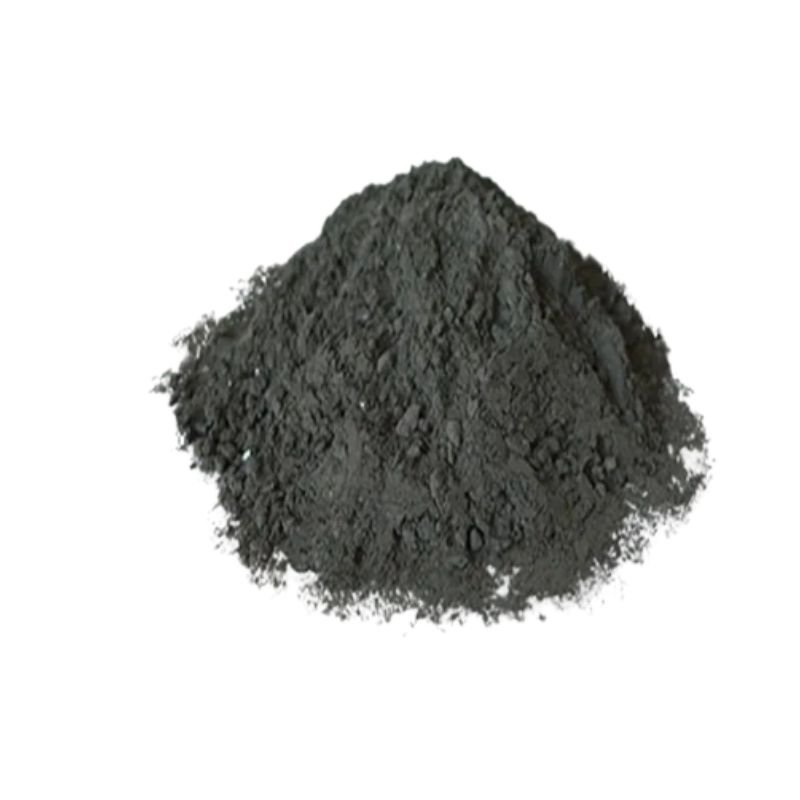
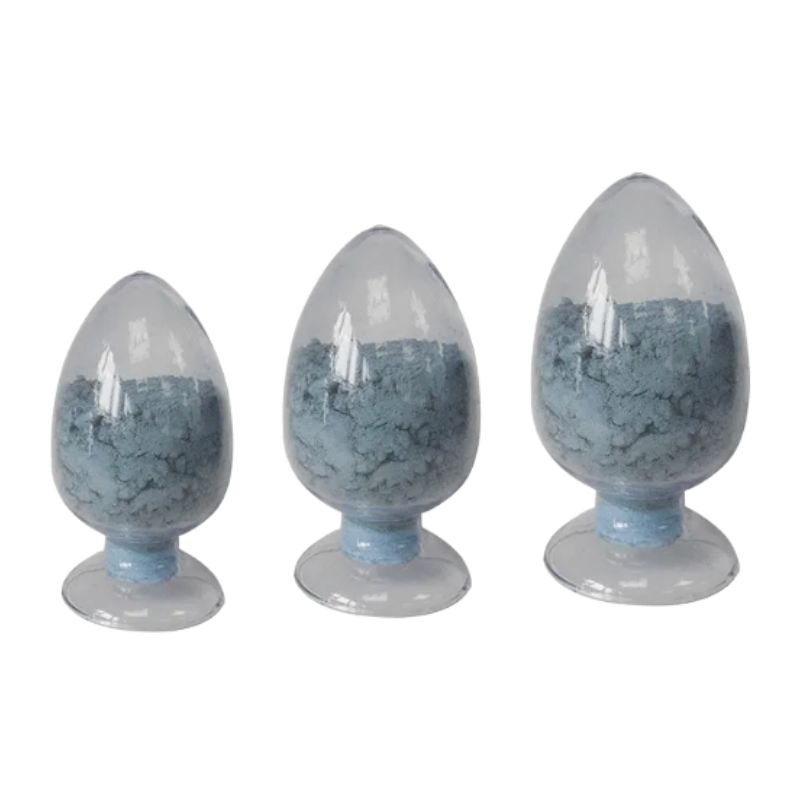
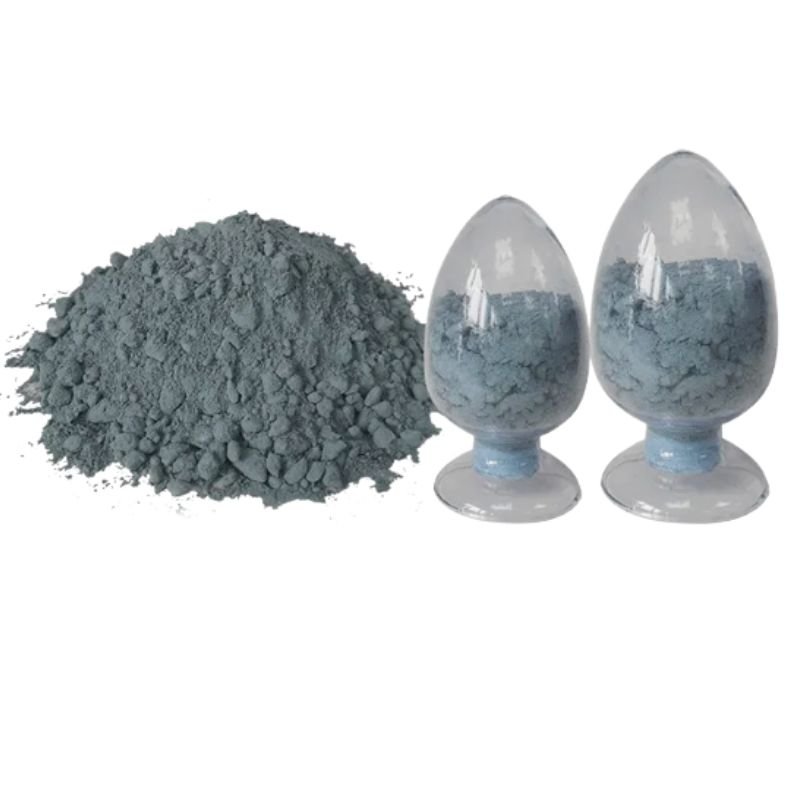
Alumina-Silicon Carbide-Carbon Castable for High-Performance Refractory Solutions
![Al₂O₃-SiC-C Castable Key Visual: Durable refractory lining with industrial furnace background]
Quick Stats
Alumina (Al₂O₃) Content: 65–85%
Silicon Carbide (SiC) Content: 10–25%
Carbon Content: 5–15%
Service Temperature: up to 3200°F (1760°C)
Thermal Shock Resistance: Excellent
Bulk Density: 2.8–3.1 g/cm³
Get the Most Reliable High-Temperature Castable
Discover Gotrays Alumina-Silicon Carbide-Carbon (Al₂O₃-SiC-C) castable — engineered for unmatched corrosion resistance, superior thermal conductivity, and long-lasting performance in demanding industrial environments.
Ready to Upgrade Your Refractory Linings?
Product Overview
Our Alumina-Silicon Carbide-Carbon Castable (Al₂O₃-SiC-C) is a high-performance refractory solution designed to handle tough thermal and chemical conditions in the U.S. industrial market. Combining alumina (Al₂O₃), silicon carbide (SiC), and carbon, this castable offers excellent resistance to wear, thermal shock, and corrosion—perfect for applications like blast furnace iron runners and aluminum industry linings.
The chemical formula highlights the balance between Al₂O₃ for strength and stability, SiC for thermal conductivity and oxidation resistance, and carbon for antioxidant protection and durability under extreme heat.
We package this castable in moisture-resistant bags available in 50 lb units, designed for easy storage and handling to fit your operational needs. Bulk shipment options are also available for large-scale projects.
Technical Specifications of Alumina-Silicon Carbide-Carbon Castable
Here’s a quick look at the key technical specs for our Al₂O₃-SiC-C castable designed to meet the needs of U.S. industries:
| Property | Typical Range / Value |
|---|---|
| Al₂O₃ Content | 50% – 65% |
| SiC Content | 20% – 35% |
| Carbon Content | 5% – 15% |
| Bulk Density | 2.8 – 3.1 g/cm³ |
| Apparent Porosity | 15% – 20% |
| Cold Crushing Strength | 40 – 60 MPa |
| Modulus of Rupture | 8 – 12 MPa |
| Thermal Shock Resistance | Excellent (withstands rapid temperature changes) |
| Service Temperature | Up to 3200°F (1760°C) |
| Linear Change | Less than 0.2% after heating |
We focus on balancing Al₂O₃, SiC, and carbon to optimize strength, durability, and thermal performance. This mix ensures the castable holds up under high mechanical loads and extreme heat, making it ideal for blast furnace iron runners, cement kilns, and aluminum processing lines.
Thermal shock resistance is one of our standouts — meaning the castable won’t crack or degrade even with sudden temperature swings. Plus, low linear change keeps structural integrity tight over time.
This data reflects real, tested performance to help you select the best refractory for your high-temp challenges.
Key Features and Benefits of Alumina-Silicon Carbide-Carbon Castable
Our Alumina-Silicon Carbide-Carbon (Al₂O₃-SiC-C) castable delivers outstanding performance where you need it most. Here’s what sets it apart:
-
Exceptional Corrosion Resistance
Built to withstand aggressive slags and molten metals, this castable protects your equipment longer than traditional options.
-
High Thermal Conductivity
It efficiently dissipates heat, helping reduce thermal stress and extend service life in high-temperature applications.
-
Antioxidant Enhancements
Special additives improve oxidation resistance, keeping the SiC and carbon components intact for better durability.
-
Easy Installation
Designed for smooth mixing and vibration casting, it cuts down labor time and ensures a uniform application.
-
Eco-Friendly Formulation
We prioritize sustainability with lower cement content and green manufacturing processes, making it safer for your team and the environment.
Applications Icons
- Blast Furnace Iron Runners
- Steel Ladle Linings
- Cement Kiln Components
- Aluminum Furnace Parts
With these key features, our ASC refractory castable is a reliable choice for heavy-duty industrial needs in the U.S. market.
Applications
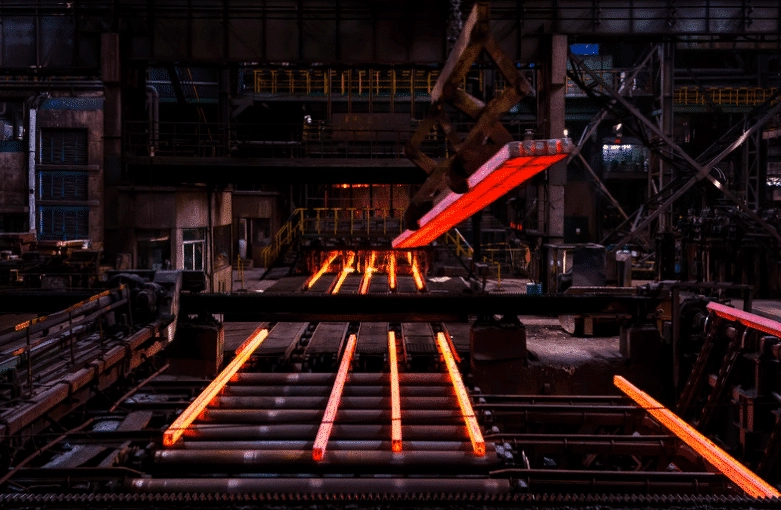
Our Alumina-Silicon Carbide-Carbon Castable (Al₂O₃-SiC-C) is built tough for heavy-duty use in high-temperature settings across key industries in the U.S.
Primary Iron and Steel Industry
- Ideal for blast furnace iron runners, troughs, and tap holes
- Handles extreme thermal shock and corrosion, extending service life
- Supports continuous operations with minimal downtime
Secondary Cement and Aluminum Industries
- Perfect for rotary kiln linings and aluminum melting furnaces
- Delivers high thermal conductivity and oxidation resistance
- Enhances productivity while reducing maintenance costs
Case Study Preview
Discover how one Midwest steel plant cut refractory replacement time by 30% using our ASC refractory castable. Reach out to get the full story and see how this solution can work for your facility.
Installation and Handling Guidelines
Using Alumina-Silicon Carbide-Carbon Castable (Al₂O₃-SiC-C) right ensures it performs at its best. Here’s what you need to know for smooth installation and safe handling.
Mixing Ratios
- Follow the recommended water-to-castable ratio carefully. Usually, 5–6% water by weight is ideal.
- Avoid adding extra water—it can weaken the castable and reduce durability.
- Use clean, potable water for mixing to prevent contamination.
Vibration Casting
- Use mechanical vibration to compact the castable. This helps remove air pockets and boosts density.
- Vibrate until the castable settles evenly but don’t over-vibrate as it may cause segregation.
- Ensure a steady, firm base to avoid cracks during setting.
Curing Schedule
- Start curing immediately after casting.
- Keep the castable moist for at least 48 hours to avoid shrinkage and cracking.
- Gradually ramp up the temperature during the first heat cycle—slow heating reduces thermal stress.
- A typical schedule is holding at 105°F for 24 hours, then increasing to 212–350°F over 2–3 days before full service temperature.
Safety Notes
- Always wear appropriate PPE—gloves, mask, and eye protection.
- Handle dry powder carefully to avoid dust inhalation. Use ventilation or dust collectors when mixing.
- Store tools and work areas clean to prevent slip hazards from spilled material.
Storage Recommendations
- Keep the castable bags dry and sealed until use.
- Store on pallets off the ground, away from moisture and direct sunlight.
- Use material within shelf life to maintain quality and performance.
Following these steps ensures your ASC refractory castable offers excellent thermal shock resistance and long-lasting protection in high-temperature industrial setups.
Related Products
Looking for options that complement our Alumina-Silicon Carbide-Carbon Castable? We offer a range of related refractory solutions designed to fit your needs in high-temperature industries.
Cross-Sell Recommendations
- Low-Cement Silicon Carbide Castable – Great for applications where enhanced thermal shock resistance is critical.
- Calcium Aluminate Bonded ASC – Ideal for environments requiring strong bonding and durability.
- SiC Whisker Reinforced Castable – Offers improved mechanical strength and longer service life.
- Eco-Friendly Al₂O₃-SiC-C Ramming Mass – A sustainable choice for lining and repair works.
- Oxidation-Resistant Alumina-Carbon Castable – Perfect for harsh, oxidative conditions like blast furnace linings.
Comparison with Traditional Castables
| Property | Alumina-SiC-C Castable | Traditional Alumina-Carbon Castable |
|---|---|---|
| Thermal Shock Resistance | High | Moderate |
| Corrosion Resistance | Exceptional | Good |
| Bulk Density | Higher | Lower |
| Installation Ease | Faster | Slower |
| Service Temperature | Up to 3000°F | Up to 2600°F |
| Environmental Impact | Eco-friendly options | Standard |
Our Alumina-SiC-C castable stands out with improved performance and sustainability over standard castables, making it the smart choice for US industries aiming for durability and efficiency.
Quality Assurance and Certifications

At Gotrays, we prioritize quality you can count on. Our Alumina-Silicon Carbide-Carbon Castable (Al₂O₃-SiC-C) meets strict ISO 9001 certification standards, ensuring consistent product performance and reliability. Every batch undergoes thorough third-party testing to verify chemical composition, mechanical strength, and thermal properties.
We back our ASC refractory castable with a solid warranty, giving you peace of mind for your investment. From raw materials to finished product, our quality assurance process guarantees high-temperature corrosion resistance and durability, so your operations stay smooth and worry-free.
Customer Support and Contact
At Gotrays, we stand behind our Alumina-Silicon Carbide-Carbon Castable with reliable support you can count on. Whether you’re looking for detailed product info, custom solutions, or bulk pricing, our team is here to help.
Get in Touch Easily
- Use our simple contact form to ask questions or start a conversation.
- Request a quick quote tailored to your project size.
- Order a sample to ensure the product fits your needs before committing.
Helpful Resources Available
- Access downloads like technical datasheets and installation guides any time.
- Read real-world testimonials from customers in the U.S. steel, cement, and aluminum industries who trust our ASC refractory castable.
Partner with Gotrays for your refractory needs—we’re committed to quality, support, and performance you can rely on every step of the way.
What is Al₂O₃-SiC-C Castable Composition and Role in Refractory Engineering
Alumina-Silicon Carbide-Carbon castable (Al₂O₃-SiC-C) combines three core components: alumina (Al₂O₃), silicon carbide (SiC), and carbon (C). Each plays a key role in making this refractory castable tough, heat-resistant, and corrosion-resistant for high-temp industrial use.
- Alumina (Al₂O₃) provides excellent mechanical strength and chemical stability.
- Silicon Carbide (SiC) boosts thermal conductivity and improves resistance to thermal shock.
- Carbon (C) adds antioxidant properties that protect the castable from oxidation and slag corrosion.
There are different versions of Al₂O₃-SiC-C castables tailored to specific needs:
- Low-cement variants use a small amount of cement binder to hold the components together, offering good strength while reducing shrinkage during curing.
- No-cement variants rely on chemical bonding or fusion bonding, which enhances high-temperature performance and oxidation resistance even further.
Choosing the right castable depends on your application needs and operating environment. For more details on refractory castables and their uses, check out our [refractory castables guide].
Key Properties and Technical Specifications of Gotrays ASC Castable
Gotrays Alumina-Silicon Carbide-Carbon (ASC) castable is engineered for top performance in harsh, high-temperature environments. Here’s a quick look at the core specs and what makes this castable stand out.
| Property | Value |
|---|---|
| Al₂O₃ Content | 50-60% |
| SiC Content | 20-30% |
| Carbon Content | 10-15% |
| Bulk Density | 2.7 – 3.0 g/cm³ |
| Apparent Porosity | 12-15% |
| Cold Crushing Strength | 50-70 MPa |
| Modulus of Rupture | 10-15 MPa |
| Thermal Shock Resistance | Excellent |
| Service Temperature | Up to 3200°F (1760°C) |
| Linear Change | < 0.3% after thermal cycling |
Thermal Shock Resistance Mechanisms
Gotrays ASC castable handles rapid temperature changes well, which is crucial in industries like steelmaking and aluminum processing. This resilience is thanks mainly to:
- Silicon carbide’s high thermal conductivity, helping heat spread evenly.
- Carbon’s role in resisting crack formation under thermal stress.
- Low porosity minimizing hot spot risks.
Oxidation and Corrosion Resistance Data
Oxidation can weaken carbon in castables, but our ASC formulation includes antioxidant additives that protect the carbon phase, extending the lifespan of your refractory lining. The alumina and silicon carbide work together to resist corrosion from slags, enhancing durability when used in blast furnace iron runners and cement kiln linings.
This balance of properties makes Gotrays ASC castable a trusted choice for U.S. industrial operations needing reliable, long-lasting refractory solutions.
Applications in High-Temperature Industrial Processes

Our Alumina-Silicon Carbide-Carbon (Al₂O₃-SiC-C) castable is built for tough environments where heat and wear are constant challenges. It’s widely used across several heavy industries in the U.S., especially where durability matters most.
Blast Furnace Iron Runners and Troughs
This castable is ideal for lining blast furnace iron runners and troughs. Its excellent thermal shock resistance and high-temperature corrosion protection keep your equipment running longer without frequent repairs. The oxidation-resistant alumina carbon castable formula stands up to the harsh conditions inside the furnace, minimizing downtime and maintenance costs.
Cement and Aluminum Sectors
In cement plants and aluminum production, temperature extremes and chemical exposure are everyday struggles. Our ASC refractory castable handles these challenges, offering reliable protection for rotary kilns, mixers, and ladles. Its high thermal conductivity helps improve energy efficiency, while the SiC whisker reinforced refractory structure adds strength under thermal cycling.
Case Studies
We’ve helped numerous U.S. manufacturers extend equipment life and reduce operational costs using Gotrays Alumina-SiC-C castable. For example, a major steel producer cut maintenance stops by 30% after switching to our low-cement silicon carbide castable in their blast furnace lining. Another aluminum plant saw improved thermal shock resistance in their crucibles using our eco-friendly Al₂O₃-SiC-C ramming mass.
Frequently Asked Questions
- What’s the maximum service temperature? Up to 3200°F (about 1760°C) depending on the product grade.
- Is this castable good for fast repairs? Yes, its easy installation and curing make it perfect for quick turnaround jobs.
- How resistant is it to oxidation? The antioxidant enhancements help maintain integrity even in oxidizing environments.
If you want to learn more about how our ASC castable can fit your specific industrial use, contact us anytime.
Advantages of Gotrays Alumina-Silicon Carbide-Carbon Castable Over Competitors
When comparing Gotrays Alumina-Silicon Carbide-Carbon (Al₂O₃-SiC-C) castable with traditional Al₂O₃-C products, several benefits stand out. Our castable delivers superior performance by combining advanced materials and innovative technology designed specifically for the demanding needs of U.S. industries.
Better Corrosion and Wear Resistance
Thanks to the addition of silicon carbide, Gotrays Al₂O₃-SiC-C castable offers increased resistance against slag corrosion and abrasion compared to standard alumina-carbon castables. This means longer service life and fewer replacements in harsh environments like blast furnace iron runners or cement kilns.
Enhanced Thermal Shock Resistance
Gotrays uses high-quality SiC whiskers and surface-treated metal powders that improve thermal shock resistance significantly. These innovations prevent cracking and spalling during rapid temperature changes, keeping your lining intact under tough conditions.
Superior Oxidation Stability
Our castable comes with advanced antioxidant enhancements that reduce oxidation of carbon components. This means the protective carbon layer lasts longer, maintaining mechanical strength and reducing maintenance downtime.
Improved Installation and Workability
Thanks to optimized particle size and chemistry, Gotrays ASC refractory castable mixes easily and applies smoothly, making vibration casting and curing more efficient. This saves time and reduces labor costs on-site.
Eco-Friendly Formulation
We focus on sustainability with our low-cement and calcium aluminate bonded formulas to lower emissions during installation and service. This eco-friendly approach aligns with green initiatives common across U.S. industrial sectors.
Key Highlights Compared to Traditional Al₂O₃-C Castables
| Feature | Gotrays Al₂O₃-SiC-C Castable | Traditional Al₂O₃-C Castable |
|---|---|---|
| Corrosion Resistance | High | Moderate |
| Thermal Shock Resistance | Superior | Standard |
| Oxidation Resistance | Advanced antioxidants | Limited |
| Workability | Easy mixing and installation | More challenging |
| Environmental Impact | Eco-friendly formulation | Higher emissions |
Choosing Gotrays means investing in a castable that handles the intense conditions of U.S. industrial facilities while reducing downtime and boosting productivity. Our innovations keep your refractory linings strong and lasting longer than typical alumina-carbon options.
Installation Best Practices for Optimal Performance
Getting the most out of your Alumina-Silicon Carbide-Carbon Castable (Al₂O₃-SiC-C) means following the right installation steps. Here’s a straightforward guide to help you install it efficiently and avoid common issues.
Step-by-Step Installation Guide
- Mixing: Use clean water and follow the recommended water-to-castable ratio. Avoid adding extra water to keep strength and reduce porosity.
- Mix Time: Mix for 3 to 5 minutes until you get a smooth, lump-free consistency.
- Application: Apply the castable using vibration casting or hand ramming, depending on your project size. Vibration helps reduce voids and improve density.
- Layering: Build up in 1 to 2-inch layers to control drying and curing easily.
- Curing: Keep the castable moist for at least 48 hours after casting. Use plastic sheets or wet burlap to prevent cracking.
- Drying: Follow a slow drying process, gradually increasing temperature to avoid thermal shock.
- Firing: Raise temperature slowly during the first heat-up cycle to protect the refractory lining.
Common Pitfalls to Avoid
- Adding too much water, which lowers strength and increases shrinkage.
- Skipping vibration or tamping, leading to gaps and weak spots.
- Rushing curing or drying, causing cracks and poor bonding.
- Installing in cold or very humid conditions without proper precautions.
- Using contaminated tools or water.
Troubleshooting Tips
- Cracking: Check moisture levels and curing time, slow down drying process.
- Poor Strength: Mix properly and avoid adding excess water.
- Uneven Surface: Use vibration casting to compact the castable fully.
- Oxidation Issues: Ensure antioxidant additives remain intact during installation.
Following these best practices makes sure your Alumina-SiC-C castable performs well and lasts longer, especially for blast furnace iron runner lining and other high-temp industrial uses.
Why Choose Gotrays for Your Refractory Needs
At Gotrays, we bring decades of experience in delivering high-quality Alumina-Silicon Carbide-Carbon (Al₂O₃-SiC-C) castables tailored for the U.S. market. Our deep industry knowledge means you get solutions designed to meet the demanding conditions of today’s industrial processes, especially in steel, cement, and aluminum sectors.
We focus on sustainable sourcing, using eco-friendly materials and minimizing waste in our manufacturing. This commitment not only helps protect the environment but ensures you receive reliable, consistent products with lower environmental impact.
Our customers trust Gotrays because we back our ASC refractory castables with solid certifications, including ISO 9001 quality assurance and third-party testing. Plus, we have plenty of testimonials from U.S.-based plants showing improved performance, longer service life, and reduced maintenance costs.
Choose Gotrays for your refractory needs and get:
- Proven expertise in high-temperature corrosion-resistant castables
- Sustainable, eco-friendly Al₂O₃-SiC-C formulations
- Industry certifications guaranteeing quality and consistency
- Strong U.S. customer support with responsive service and advice
We’re ready to help you improve your refractory lining’s durability and performance with solutions built for America’s tough industrial environments.
Frequently Asked Questions
What is the maximum service temperature for Alumina-Silicon Carbide-Carbon Castable
Our Al₂O₃-SiC-C castable is built to handle extreme heat, typically performing well up to 3200°F (about 1760°C). This makes it perfect for high-temp industrial uses like blast furnaces and steelmaking.
How should I mix the Alumina-Silicon Carbide-Carbon castable
- Use clean water with the specified water-to-castable ratio for best consistency.
- Mix thoroughly using a mechanical mixer or paddle to avoid lumps.
- Follow the manufacturer’s instructions closely for your specific batch.
- Avoid over-watering to maintain strength and durability.
Can I find information about Gotrays ASC castable using voice search
Yes, our product information is optimized for voice search, making it easy to get quick answers about Alumina-SiC-C monolithic refractories, technical specs, and installation tips when you ask your smart device.
If you have other questions, feel free to reach out—we’re here to help.
Contact Gotrays for Custom Al₂O₃-SiC-C Solutions and Bulk Pricing
Looking for tailored Alumina-Silicon Carbide-Carbon (Al₂O₃-SiC-C) castable options or bulk pricing? Gotrays is here to help you find the right solution for your refractory needs. Whether you need specific mixes or large orders for your industrial projects, we offer flexible customization and competitive rates designed for U.S. customers.
- Get a quick quote by filling out our simple contact form
- Request samples to test before you buy
- Ask about bulk discounts for large volume purchases
- Speak directly with our experts for technical advice and product recommendations
We also feature a related products carousel to help you explore complementary refractory solutions like ASC refractory castables, SiC whisker reinforced mixes, and eco-friendly options.
Partner with Gotrays for responsive support and dependable delivery—reach out today to start your custom order!


 English
  Korean
  Arabic
Reviews
There are no reviews yet.